Seating for restaurants, bars and cafés
Commercial seating is built to a different standard than domestic furniture: heavier frames, commercial-grade foam, and finishes that survive daily cleaning. Every stool in this collection is rated for contract use.
The difference is not cosmetic. A domestic stool is designed for a household using it a few times a day; a commercial stool is designed for continuous turnover, cleaning with commercial products, and being dragged rather than lifted. Frames are gauged heavier, joints are bolted rather than stapled, and foam is specified to recover rather than flatten over a season of use.
Buying domestic stools for a commercial room is the most expensive mistake in this category, because the failure is not immediate. The stools look right for a few months, then loosen at the joints, and replacing a full room of seating twice costs more than specifying correctly once.
What contract-rated actually means
Check three things on any commercial stool. The frame gauge and joint construction, which decide whether it stays rigid under daily use. The foam density, which decides whether the seat still supports anyone after a year. And the upholstery rub rating, which decides how the surface looks after repeated cleaning.
Wipe-clean faux leather and sealed timber are the two surfaces that survive commercial cleaning schedules best. Open-weave fabrics look good on day one and are difficult to keep presentable in a room with food service.
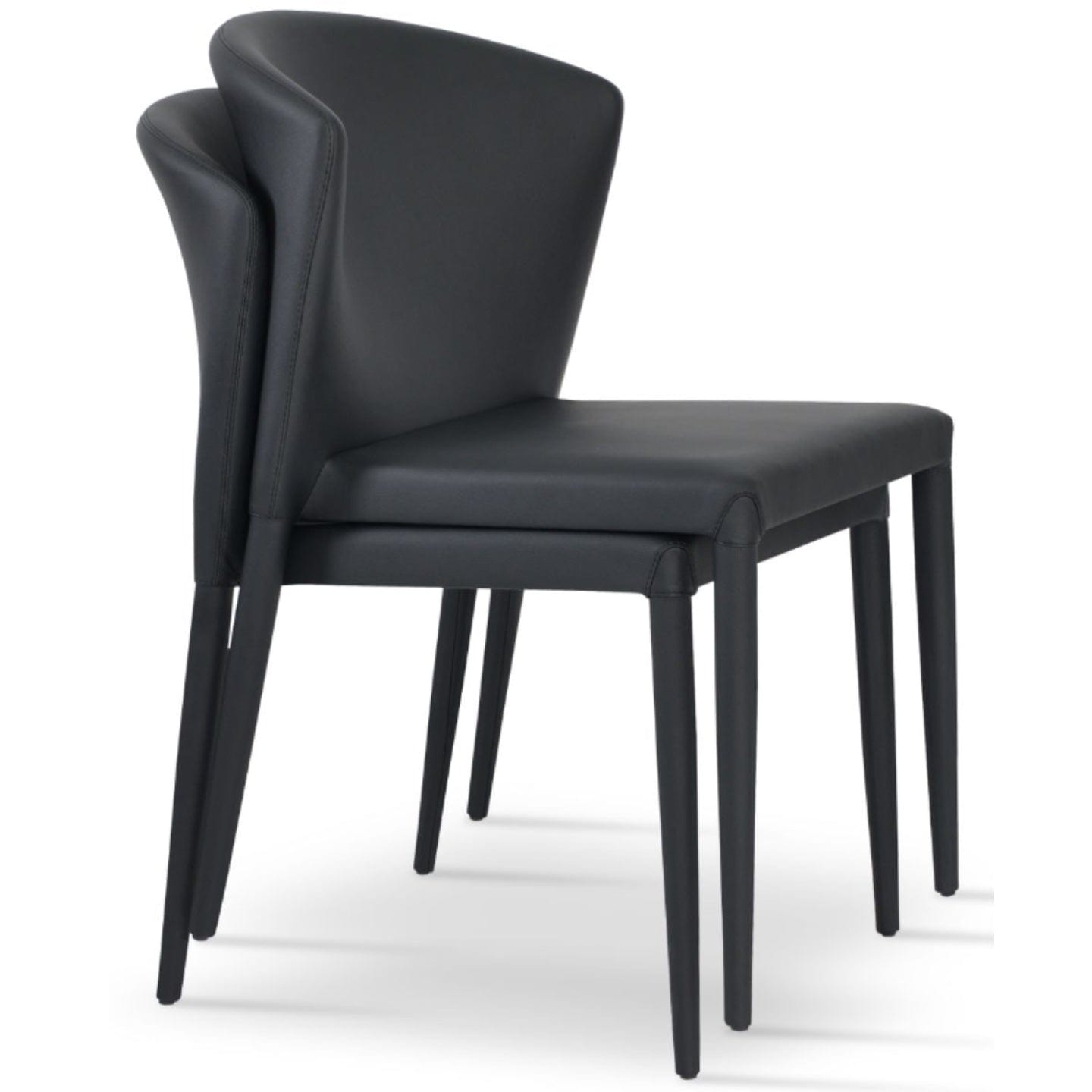
Stackability matters where a room is reconfigured — function rooms, cafés that clear the floor nightly. Weight matters where staff move seating daily, and it works against stability, so it is a genuine trade-off rather than a spec to maximize.
Chairs to match your stools
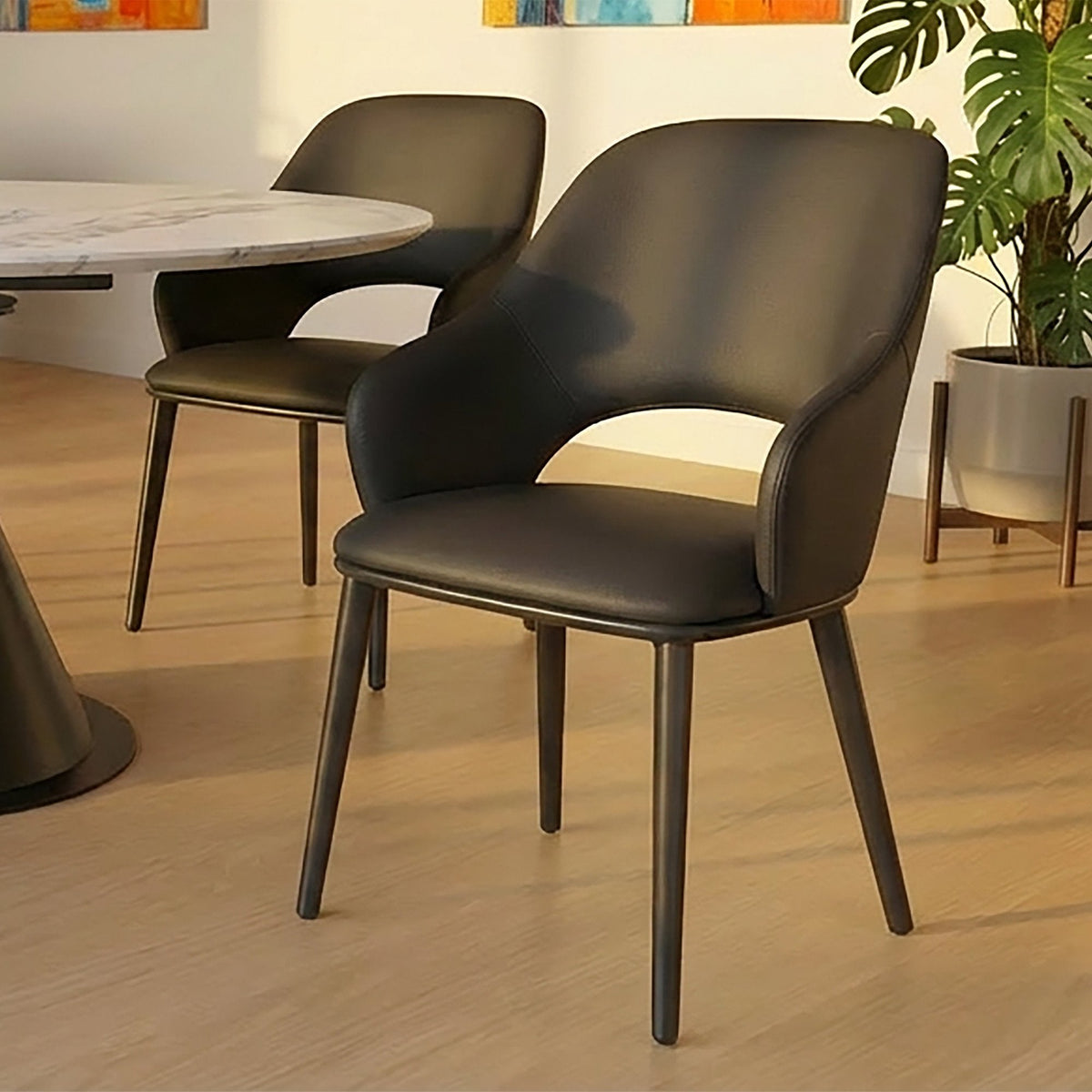
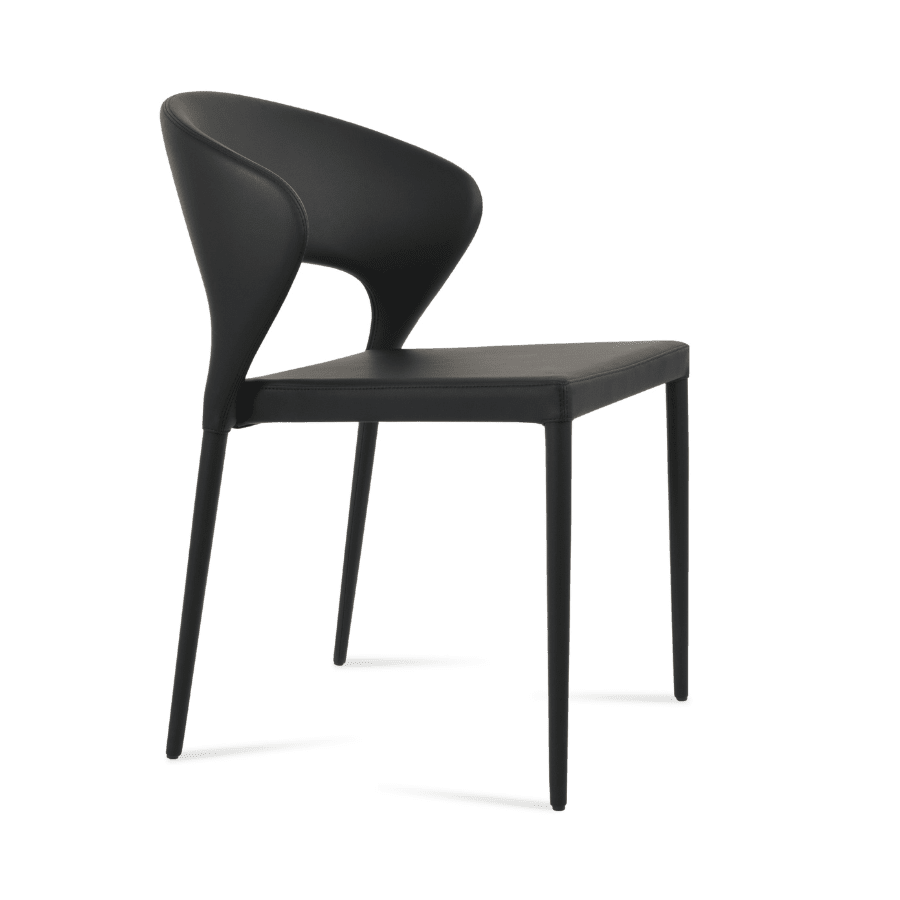
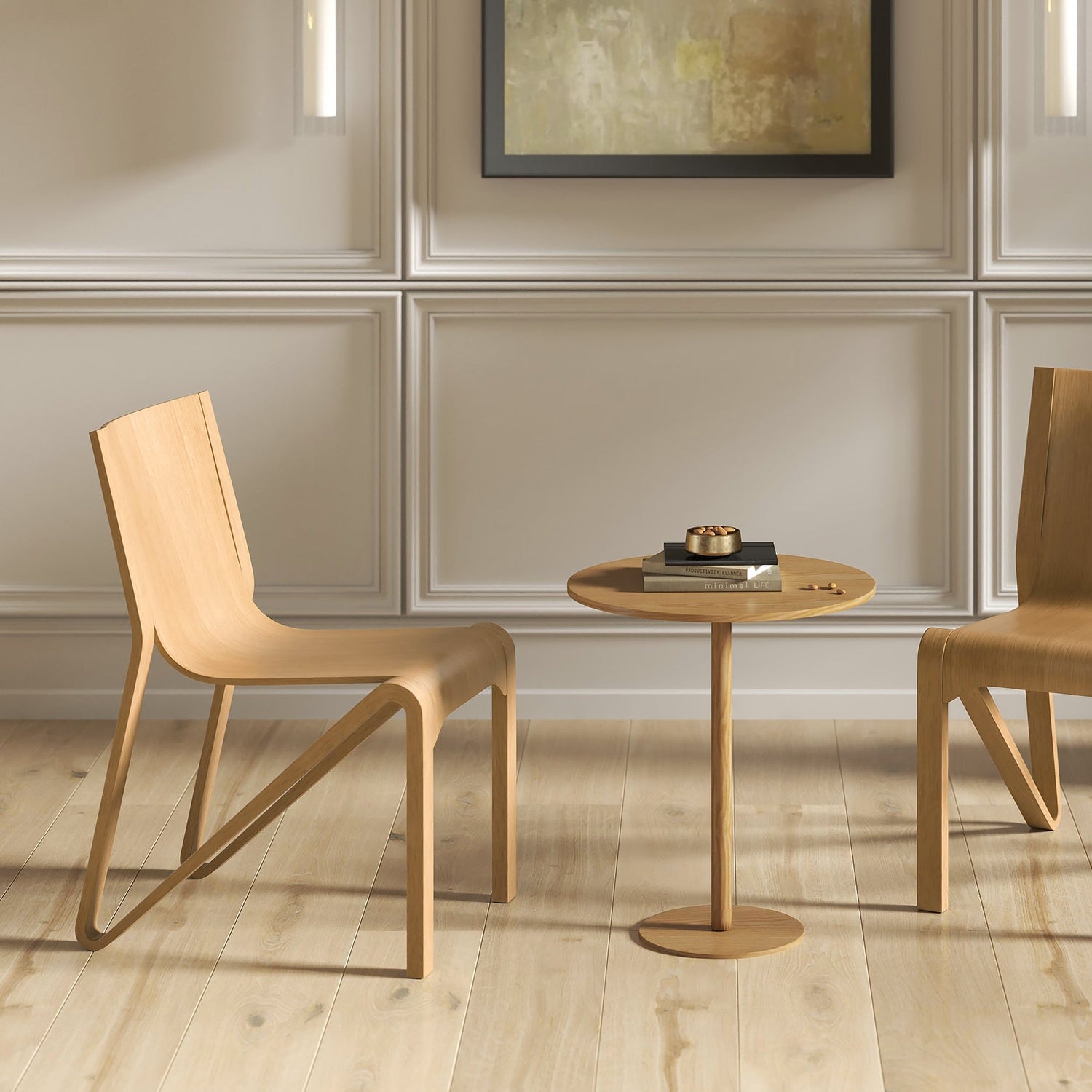
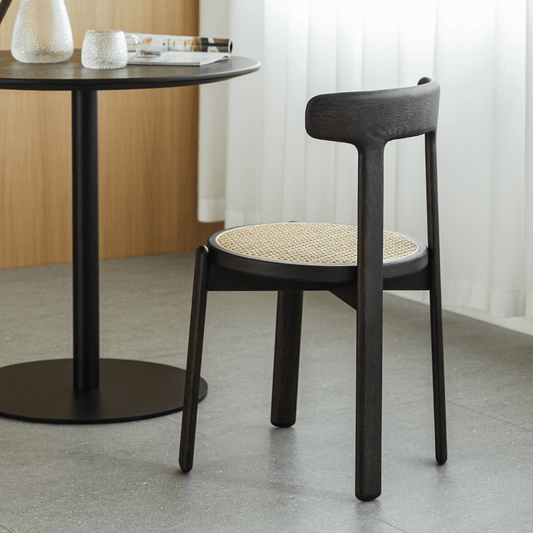
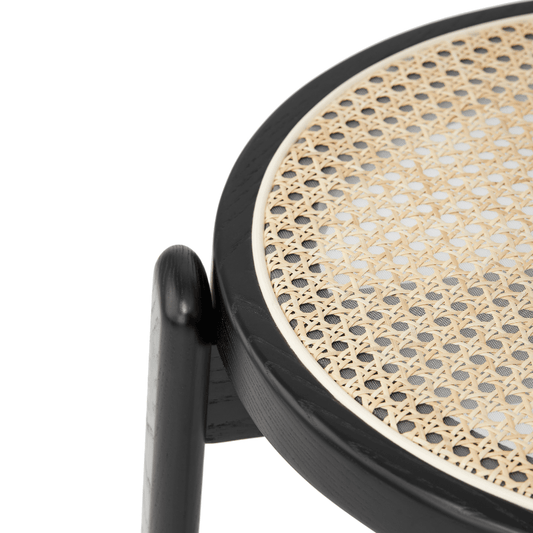
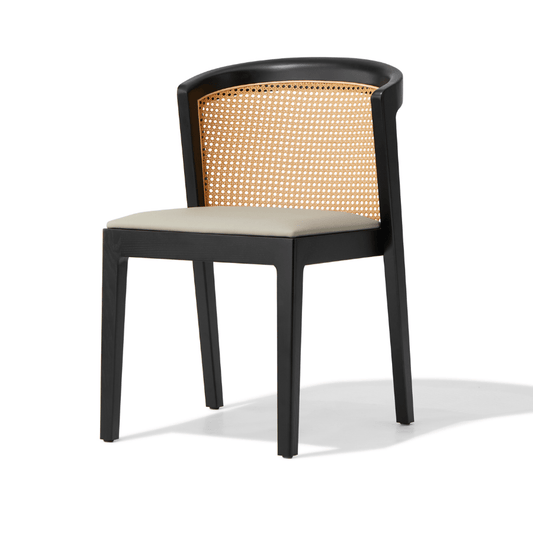
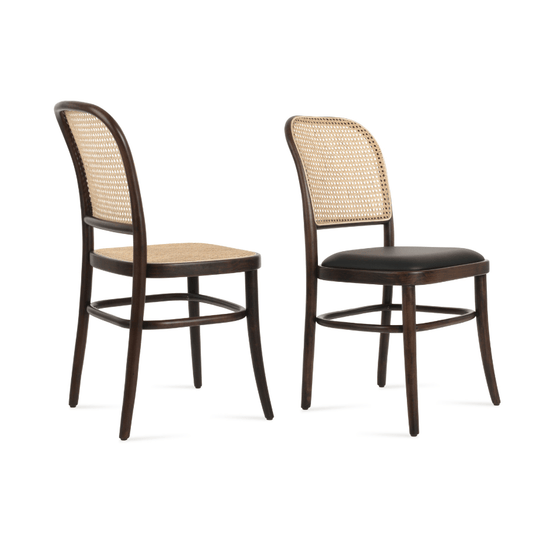
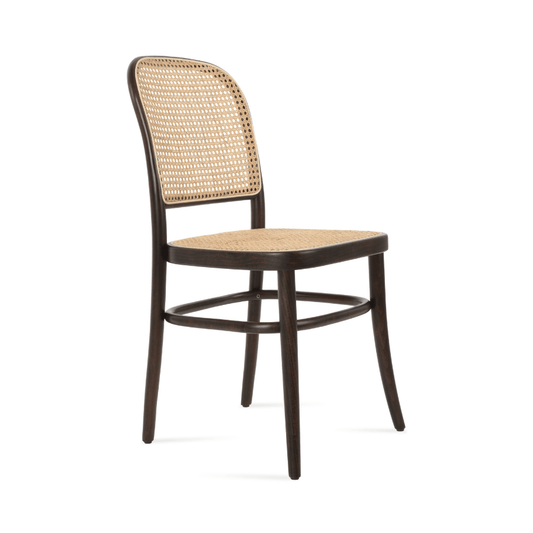
Fitting out a dining room as well as a bar? Our restaurant chairs are built to the same commercial standard, with matching finishes across both ranges so a room reads as one scheme.
Matching across seating types is what separates a designed room from an assembled one, and it is easier to specify at the outset than to correct later — finishes vary between production runs, so ordering the bar stools and the dining chairs together is the reliable way to get them consistent. For tables, see restaurant tables and café table and chair sets.
Heights for commercial spaces
Bar counters in licensed premises are usually 41 to 43 inches and take bar height stools with 29 to 32 inch seats. Café counters and communal tables are more often 35 to 37 inches, taking counter height stools with 24 to 27 inch seats.
Allow 26 to 30 inches per stool along the counter. In commercial settings the temptation is to specify at the narrow end to add covers, but a row spaced at 24 inches produces guests sitting shoulder to shoulder and a section that fills last. Measure to the underside of the bar and subtract 10 to 12 inches to confirm the seat height. Full measurements for every height class are in our bar stool height guide.
Where a venue has both a bar and lower communal tables, ordering the same model in both heights keeps the room coherent. Most ranges here are available in both.
Features that matter in a commercial room
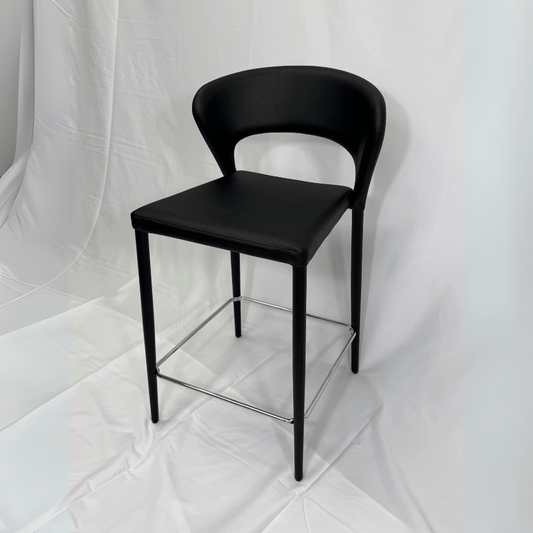
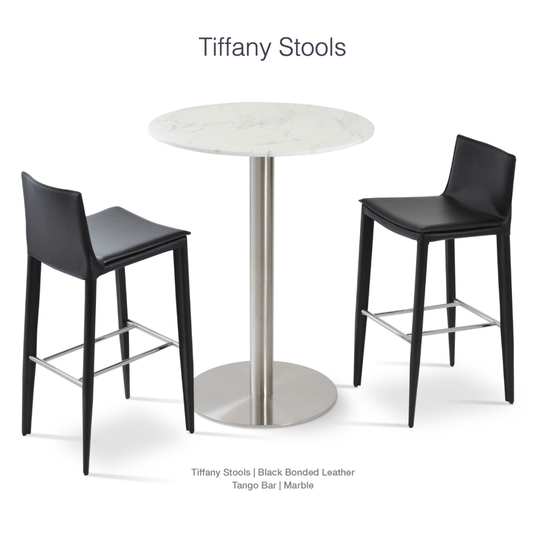
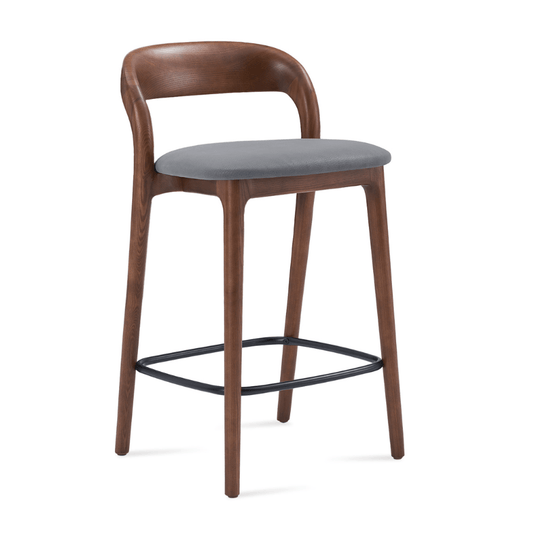
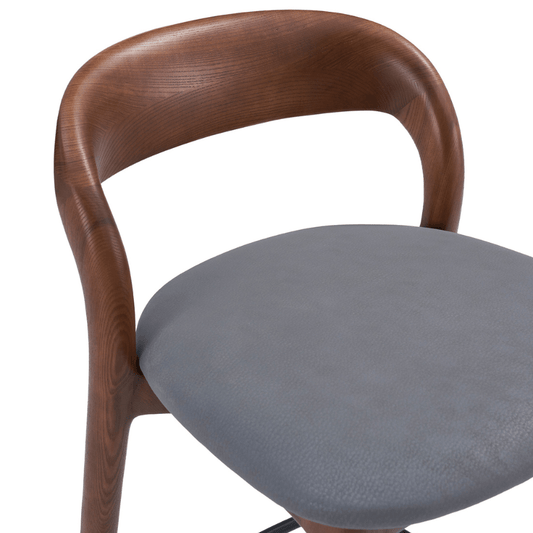
Footrests take heavy wear in commercial use and are the first component to show it, so a metal footrest with a replaceable sleeve outlasts a painted one. Stools with backs keep guests seated longer, which suits a bar where dwell time is the point. Backless stools turn tables faster and tuck away to clear circulation.
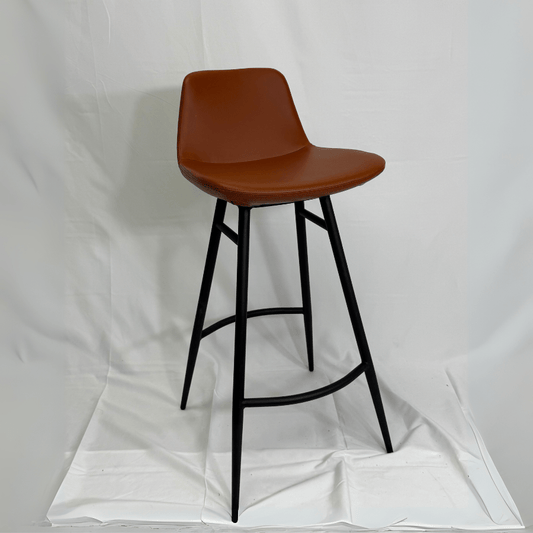
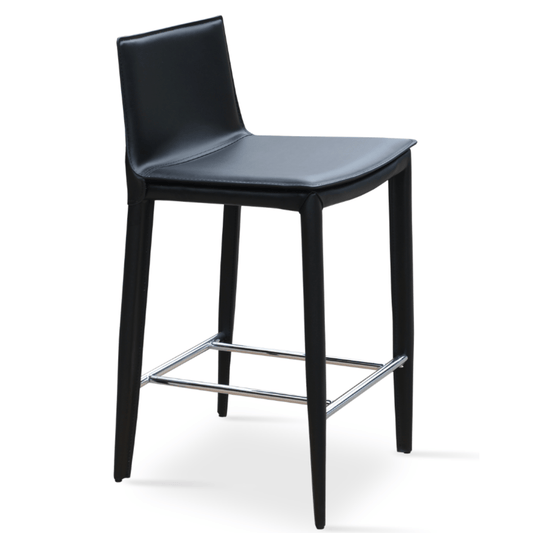
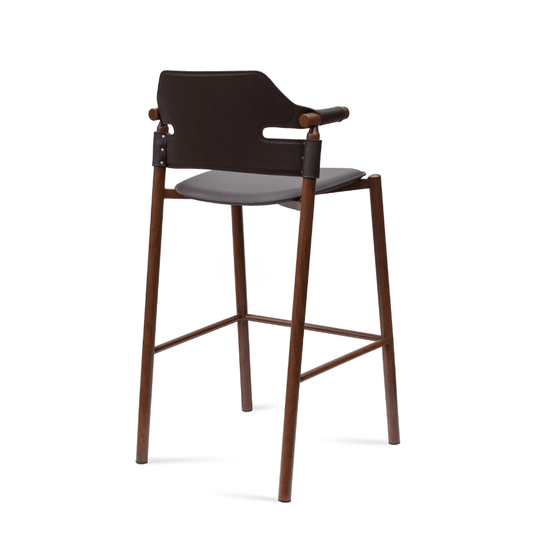
Swivel stools suit bars where guests turn to face a room or a screen, though fixed stools are steadier in high-volume service. Finishes are available in black, white and grey, with timber at wooden bar stools and upholstery at leather bar stools.
Planning a commercial order
Count covers before finishes. The number of stools a bar takes is set by its run length at 26 to 30 inches per stool, and that figure decides the budget far more than the model chosen. A 20 foot bar takes eight stools comfortably, not the ten that the arithmetic of stool width suggests.
Order two or three more than the room needs where the budget allows. Commercial seating takes damage, finishes change between production runs, and a spare stool held in the back is the difference between a full room and a gap for six weeks.
Confirm floor fixings early if the stools are to be fixed down. Fixed stools change the electrical and plumbing layout under a bar, and it is a decision that has to be made before the floor goes in rather than after.
Project pricing and lead times
Orders of 12 units or more qualify for project pricing through our trade programme, with freight quoted separately and priority stock allocation on repeat lines. Send your quantities, delivery city and target date and we will come back within one business day.
Lead time is the specification most often left until last and it is the one that delays openings. Stocked lines ship immediately; special finishes and larger volumes need planning against your fit-out date. Tell us the date the room has to be ready rather than the date you want the stools, and we will work backwards from it.
For venues that reorder — replacing damaged stools, adding a section, opening a second location — priority allocation on repeat lines means the finish still matches in a year's time. That is the part of a trade relationship that matters most in hospitality, and it is why we hold stock on the lines our commercial customers buy repeatedly.
Commercial stools by material
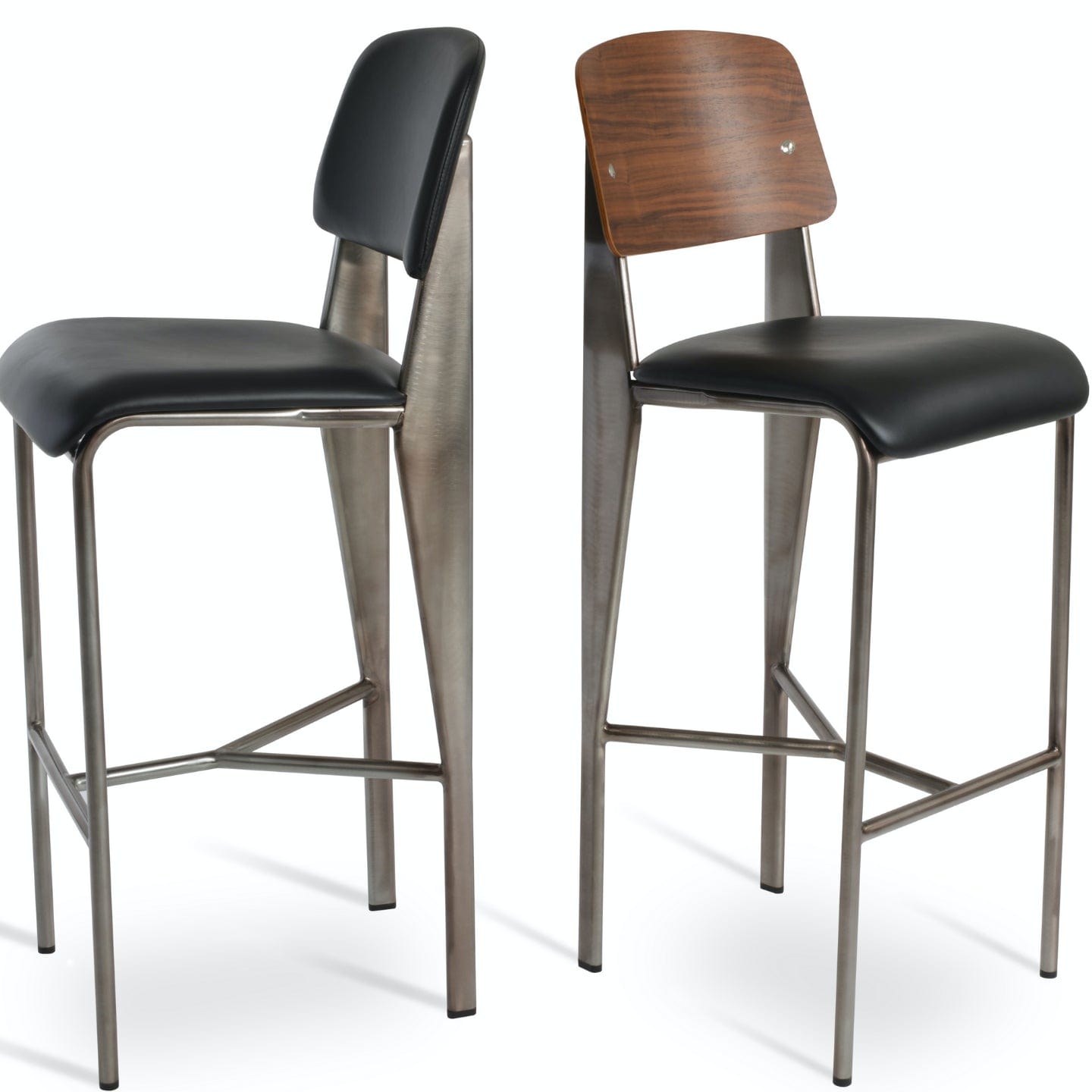
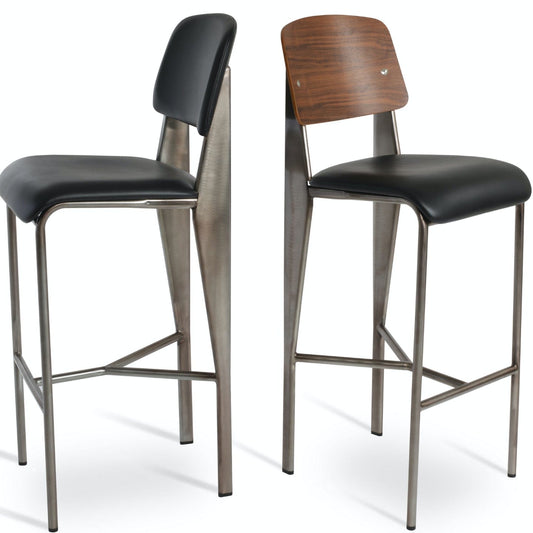
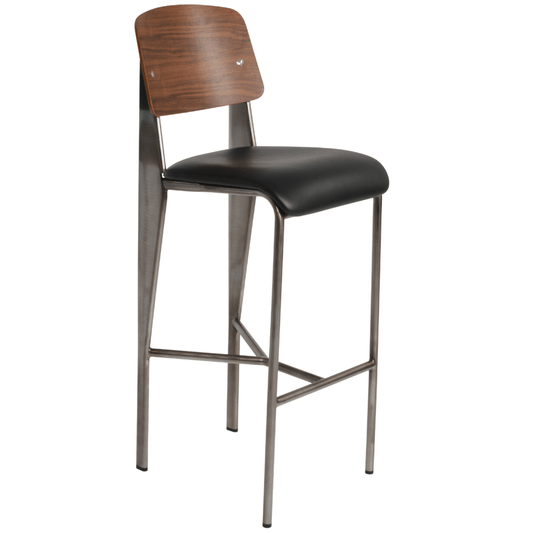
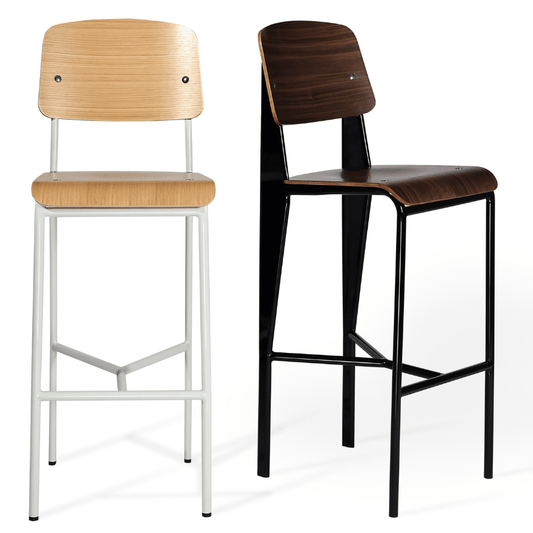
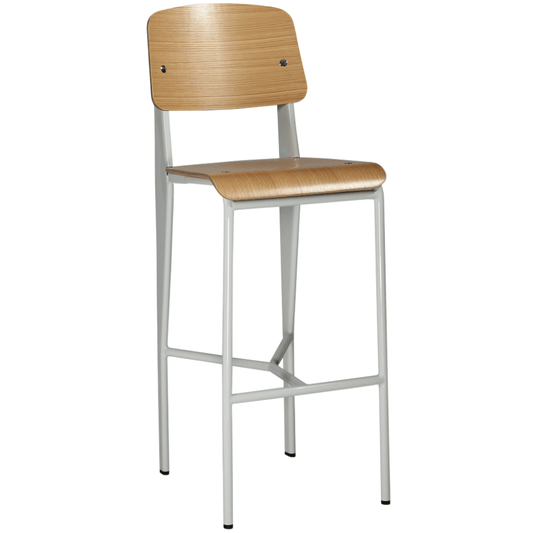
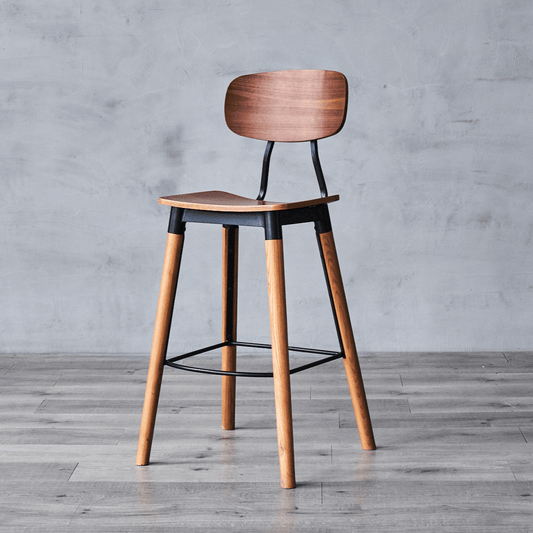
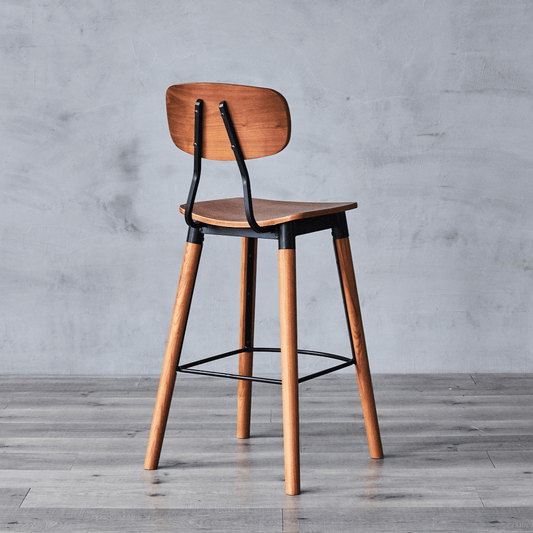
Material choice in a commercial room is driven by cleaning and turnover rather than appearance. Metal bar stools are the most durable under continuous use and the easiest to clean with commercial products. Plastic counter stools stack and suit rooms that are cleared and reconfigured. Industrial bar stools combine a metal frame with a timber or upholstered seat where the room needs warmth as well as durability.
Other ways to browse our stools
If you are still deciding, it usually helps to fix the height first: a 35 to 37 inch counter takes a counter height stool at 24 to 27 inches, and a 41 to 43 inch bar takes a bar height stool at 29 to 32 inches. From there, choose by how long people sit — stools with backs for meals, backless stools for a tight kitchen, swivel stools for an island that faces a living space.
Our full range is also grouped by material and style. See leather, wooden and rattan bar stools, or browse mid century and industrial designs. Every stool we sell is listed under bar stools Canada, with free shipping across the country.
Commercial Bar Stools Canada
Commercial bar stools in Canada are built for bars, counters, cafés, restaurant bar seating, and other hospitality spaces where daily use, guest comfort, and efficient layout all matter. In busy commercial environments, stools need to do more than match the decor. They need to support real service, hold up under frequent use, and fit the height and flow of the space. Whether you are furnishing a restaurant bar, café counter, pub, lounge, or mixed-use hospitality venue, the right bar stools help shape both the customer experience and the function of the room.
Fitting out a dining room as well as a bar? Our restaurant chairs are built to the same commercial standard, with matching finishes across both ranges.
Commercial Bar Stools for Hospitality Spaces
Commercial bar stools are a core part of hospitality furniture because they help maximize seating while maintaining a more social and flexible layout. In bars and cafés, bar stools can increase capacity without overcrowding the space. In restaurant bar seating areas, they help create a comfortable, efficient setup for drinks, casual dining, and shorter-stay guests. The best commercial seating balances durability, comfort, cleanability, and a look that fits the venue.
This page should stay centred on hospitality use. The current draft brings in broader home-style ideas such as kitchen islands and general home decor, which weakens the page’s commercial focus . This collection should be about bar stools for real service environments first.
What Makes a Bar Stool Commercial Grade
Commercial-grade bar stools are designed for repeated daily use in high-traffic settings. That usually means durable frames, reinforced joints, stable bases, and finishes that can handle frequent cleaning. In hospitality spaces, stools are moved often, sat on heavily, and cleaned regularly, so construction matters as much as style.
The current draft touches on strong ideas like sturdy construction, stable bases, easy-clean surfaces, and high quality materials . Those are exactly the right themes to keep, but they should be framed around hospitality performance rather than broad buying advice.
Restaurant Bar Stools, Pub Stools, and Cafe Bar Stools
Different commercial venues use bar stools in different ways. Restaurant bar stools often need to balance style with long-term comfort, especially in spaces where guests stay for meals or drinks. Pub stools may need a stronger, more durable look and construction for heavier use and higher turnover. Cafe bar stools often work best when they keep the space light, practical, and easy to maintain while still supporting the overall atmosphere of the café.
This is where the page can naturally support terms like restaurant bar stools, pub stools, and cafe bar stools without splitting into separate pages too early. The important thing is that all of these still sit inside the same core intent: commercial bar stools for hospitality use.
Materials, Comfort, and Easy-Clean Performance
Bar stools are available in a range of materials, and the right choice depends on the venue. Metal bar stools are a popular option in commercial spaces because they offer durability, stability, and a clean modern look. Wood stools can bring warmth and a more classic or rustic character to restaurant and bar interiors. Plastic and mixed-material stools can also work well when easy maintenance and flexibility are priorities.
Comfort features matter too. Padded seats, supportive backrests, footrests, and ergonomic shaping can all improve the guest experience, especially in venues where people stay seated for longer periods. At the same time, easy-clean surfaces remain critical in bars, cafés, and restaurants where turnover and hygiene standards matter every day.
Layout, Spacing, and Service Flow
A good bar stool should fit the room, not just the counter. Spacing affects how comfortable the seating feels and how easily guests and staff can move through the space. In commercial environments, stools that are too wide, too bulky, or too close together can slow service and make the venue feel crowded.
That is why layout matters alongside product choice. For some businesses, maximizing seating capacity is the goal. For others, the priority is maintaining a cleaner, more spacious guest experience. The best commercial bar stools support both the customer side and the service side of the venue.
Choosing the Right Commercial Bar Stools
When comparing options, most buyers should start with five questions. What seat height does the space need? How much guest traffic will the stools handle? Which materials best support the look and cleaning needs of the venue? Does the stool need a back for added comfort, or is a simpler profile more practical? How much spacing is available around the bar or counter?
These questions lead to better buying decisions than style alone. In commercial settings, a stool that performs well over time is usually the better investment than one chosen only for appearance.
Shop Commercial Bar Stools in Canada
This collection brings together commercial bar stools in Canada for bars, counters, cafés, restaurant bar seating, and other hospitality spaces that need durable, easy-to-maintain seating built for daily use. You can compare restaurant bar stools, bar furniture Canada, commercial seating, pub stools, cafe bar stools, and counter height stools to find the right fit for your venue. You can also explore Restaurant Furniture Canada, Restaurant Tables and Chairs, Cafe Chairs, Cafe Table and Chairs, and Commercial Patio Furniture to compare bar seating with the broader commercial furniture branch.
More About
See our restaurant seating guide for heights, spacing and weight ratings.
FAQs
1. What height should commercial bar stools be?
Commercial bar stools should match the height of the surface they are paired with. Counter height stools are usually used for lower counters, while bar height stools are designed for taller bars and high-top tables. In hospitality spaces, choosing the right stool height is important for guest comfort, posture, and practical daily use.
2. What makes a bar stool commercial grade?
A commercial-grade bar stool is built for frequent use in bars, cafés, restaurants, and other high-traffic hospitality spaces. It usually has a durable frame, reinforced joints, a stable base, and finishes designed for regular cleaning. Commercial bar stools are made to handle daily service better than residential seating.
3. Are commercial bar stools good for restaurants, cafés, and pubs?
Yes. Commercial bar stools Canada are designed for restaurant bar seating, cafe bar stools, pub stools, and other hospitality environments where durability, spacing, and easy maintenance matter. The best stool depends on the venue type, service style, traffic level, and whether guests are seated for quick turnover or longer stays.
4. What materials are best for commercial bar stools?
The best material depends on the space and how the stools will be used. Metal bar stools are popular for durability and a cleaner modern look, while wood stools can add warmth and a more classic style. In busy hospitality settings, buyers often prioritize high quality materials, easy-clean surfaces, and stable construction over appearance alone.
5. Should I choose bar stools with backs or backless stools for a commercial space?
Bar stools with backs are usually better when guest comfort and longer sitting times are the priority, especially in restaurant bar seating and more relaxed hospitality venues. Backless stools can work well when space efficiency, faster turnover, and a lighter layout matter more. The right choice depends on your seating density, service flow, and the overall experience you want to create.