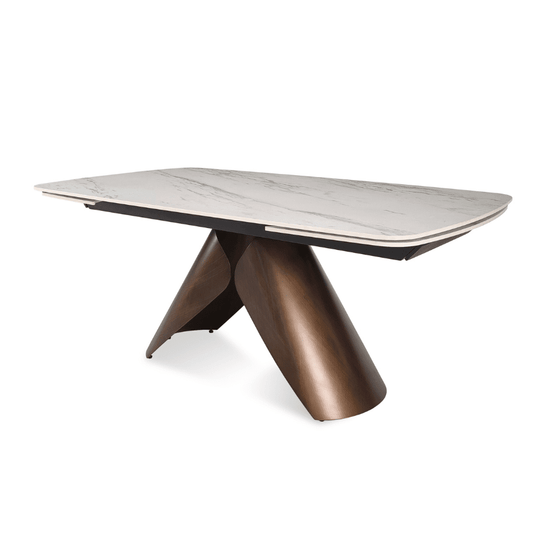
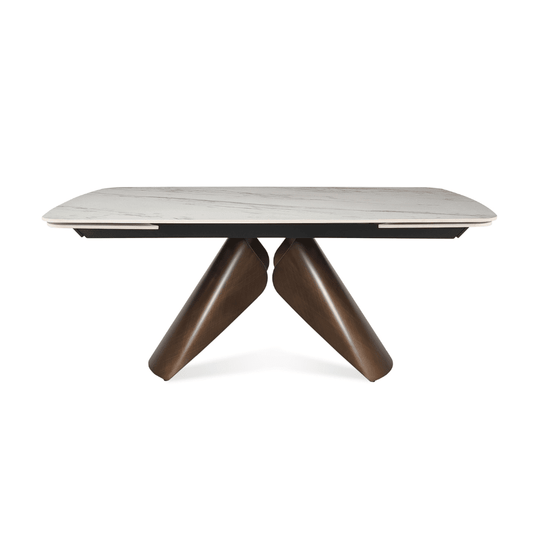
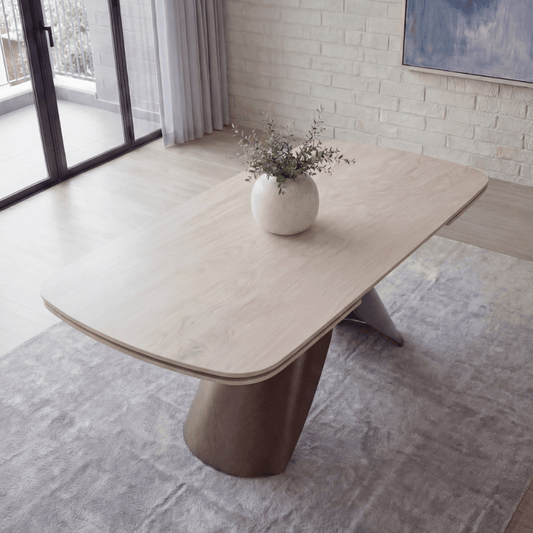
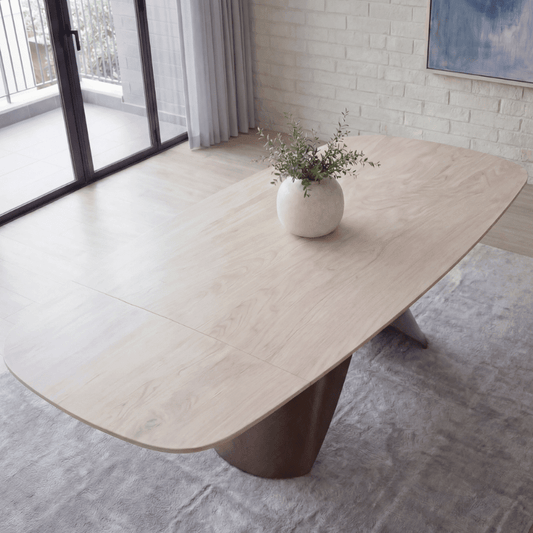
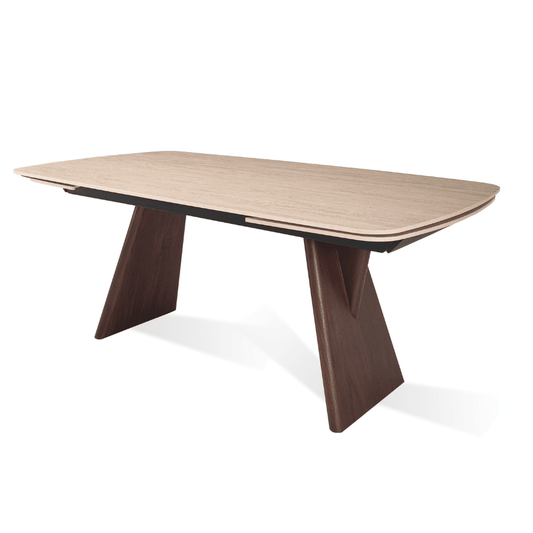
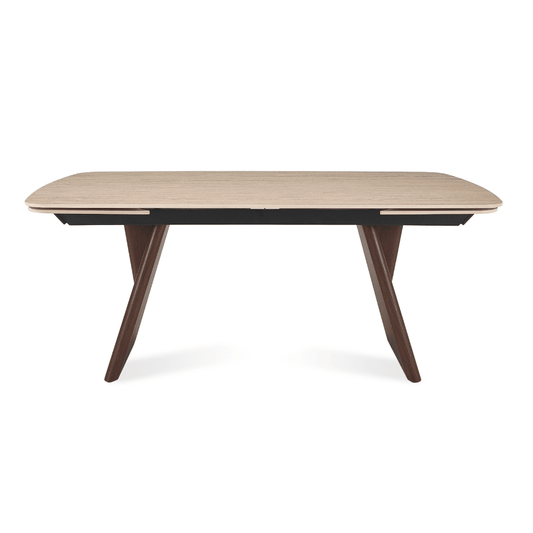
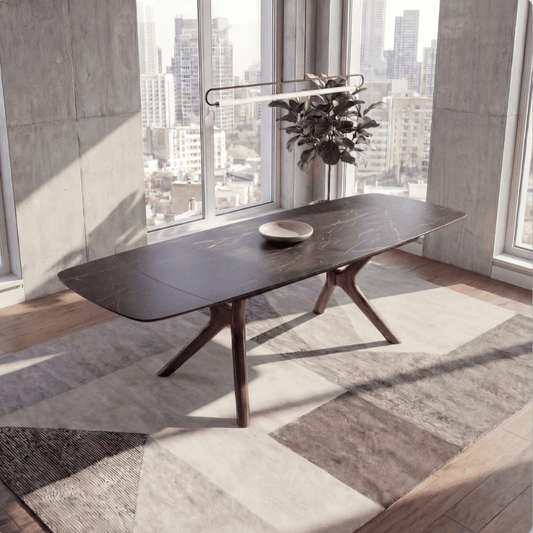
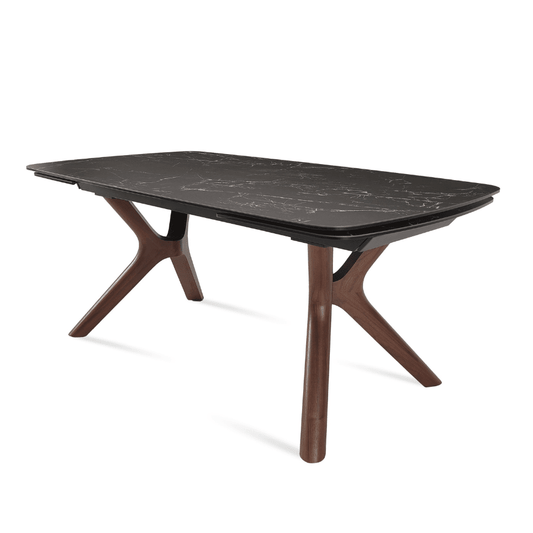
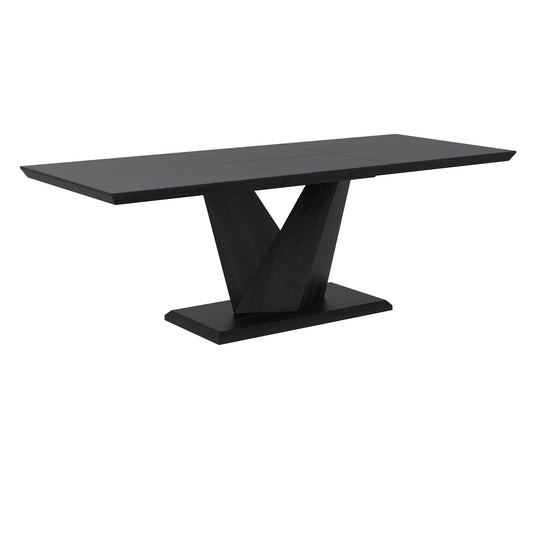
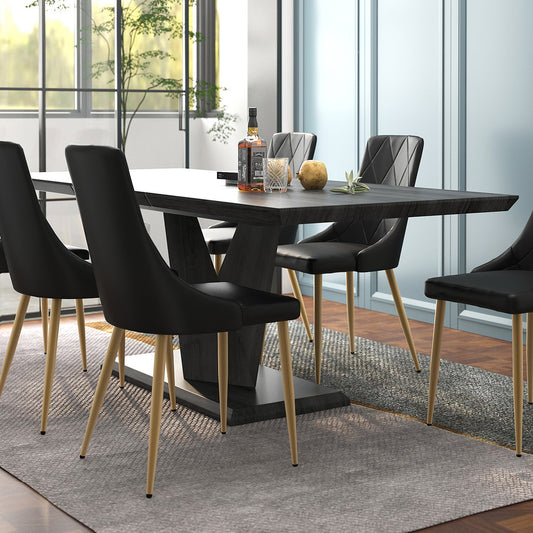
Extendable Dining Table Collection
Extendable Dining Tables: Answering Your Search Right Away
An extendable dining table is a dining table designed with built-in mechanisms that allow its length to increase on demand, typically by revealing extra surface panels called extension leaves. In 2026, this furniture category has become essential for modern homes and condos where space is at a premium but the desire to host remains strong. Rather than owning two separate tables—one for daily meals, another for gatherings—an extendable table does both jobs beautifully.
This is a curated collection of extendable dining tables, not a generic buying guide. Every piece here has been selected for its versatility, style, and ability to maximize space without sacrificing elegance or durability.
Size ranges in this collection: compact 120–160 cm tables for smaller spaces, versatile 160–210 cm mid-range options, and generous 180–240 cm statement pieces for open dining areas
Typical seating capacities: a 120 cm table seats 2–4 daily; a 160 cm table accommodates 4–6; tables reaching 200 cm or more seat 6–8 comfortably; fully extended 240 cm surfaces can host 8–10 guests
Concrete example: a 180–230 cm solid oak table that serves 6 for everyday dining expands to seat up to 10 at full extension—perfect for holiday dinners and large gatherings
Another example: a compact 140–190 cm table fits beautifully in a city apartment, seating 4 daily and 6–8 when extra guests arrive
Collection variety: includes both compact city-friendly models ideal for studio apartments and bold statement pieces designed for spacious dining rooms
Lifestyle fit: whether you need a practical solution for a narrow room or ample seating for weekend brunches, this range has options crafted for real-life living
Our Signature Extendable Dining Tables
This is the heart of the collection—the standout, best-selling extendable tables chosen for their design, durability, and everyday practicality. Each model type represents a distinct style that works across different interiors, from minimalist apartments to warm family homes.
Scandinavian-style whitewashed oak table (160–210 cm): crafted from solid oak with a matte whitewashed finish, this table features clean lines and tapered wooden legs; seats 4–6 daily, expanding to 8 with a self-storing butterfly leaf mechanism; the smooth extension system requires just one person to operate, making it ideal for everyday use in compact dining areas
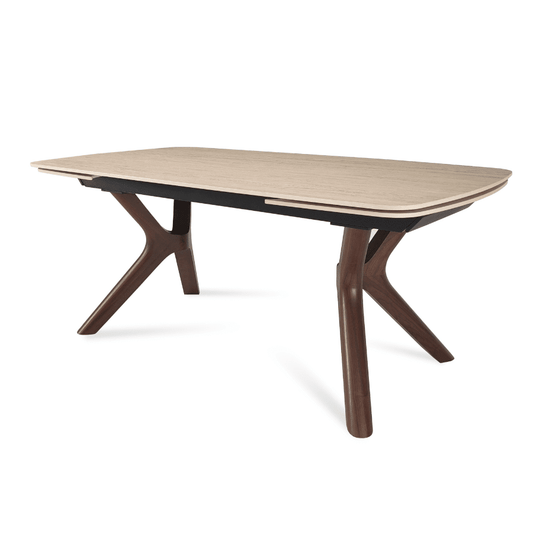
Mid-century walnut veneer table with round legs (180–230 cm): rich walnut tones and a sleek silhouette define this piece; the tabletop extends via a synchronized center leaf stored within the frame; seats 6 regularly and up to 10 when fully extended; metal cable glides ensure effortless, smooth operation even after years of gatherings
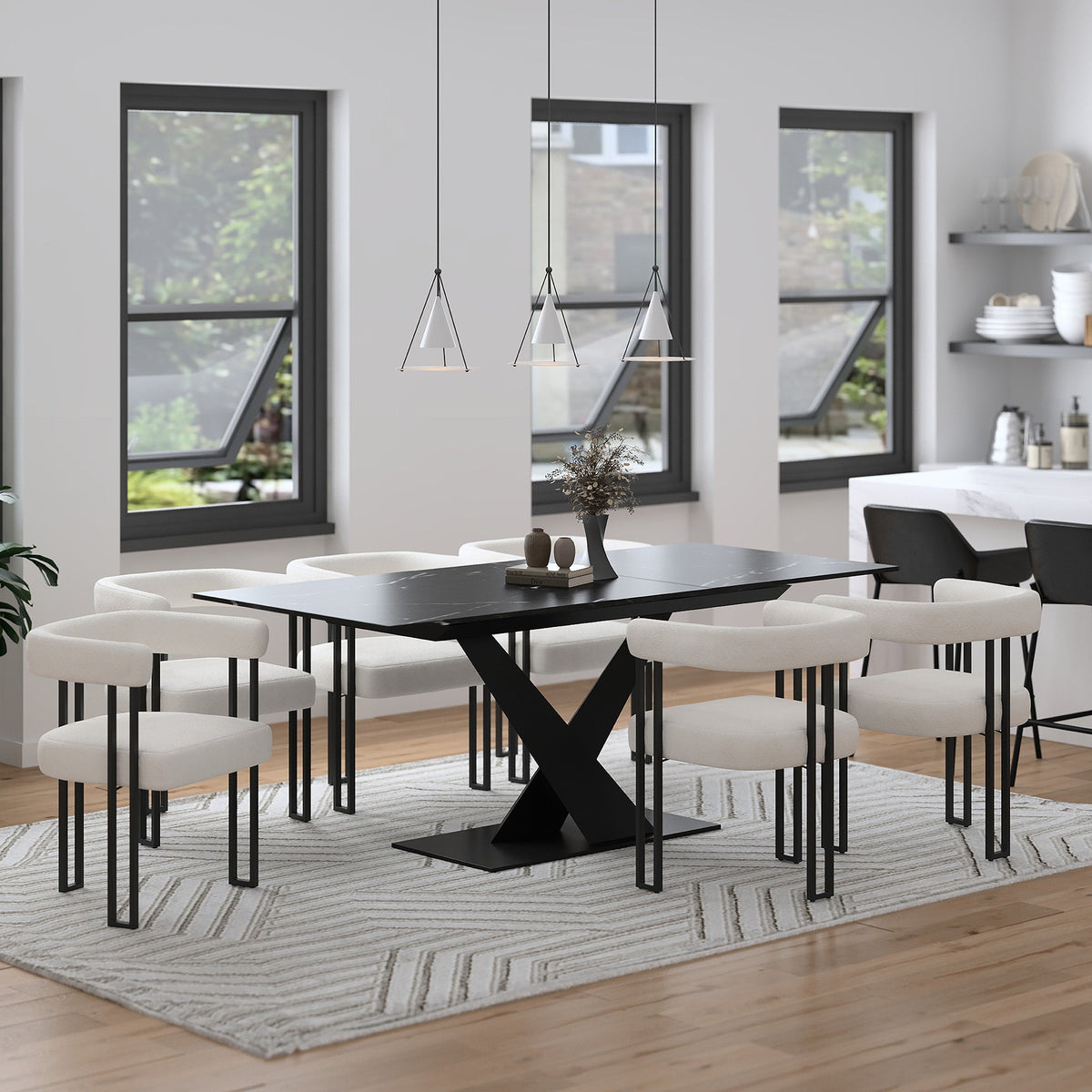
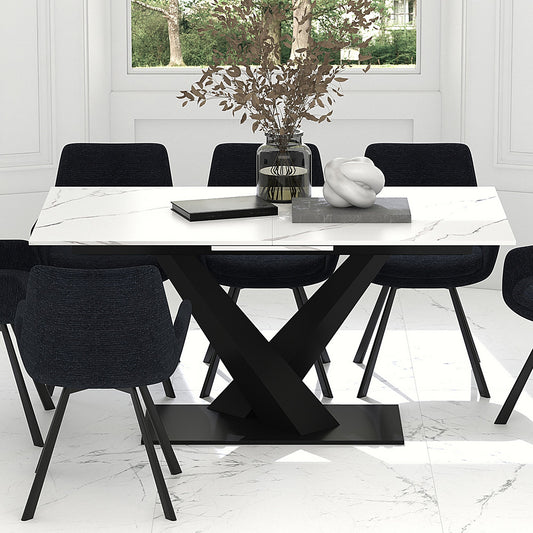
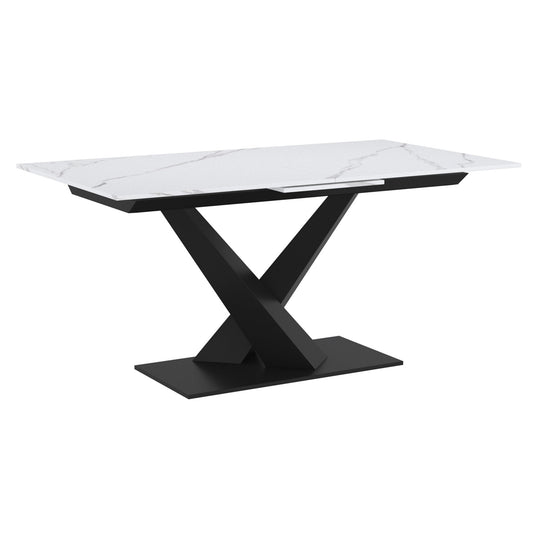
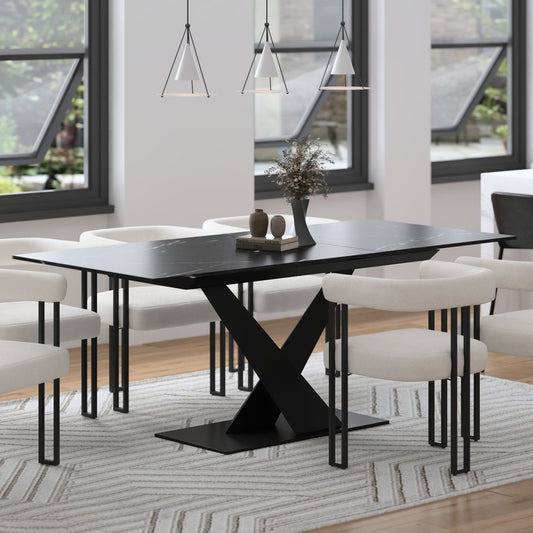
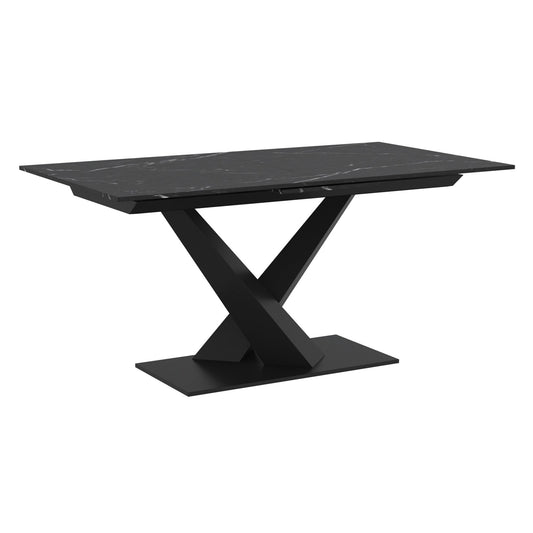
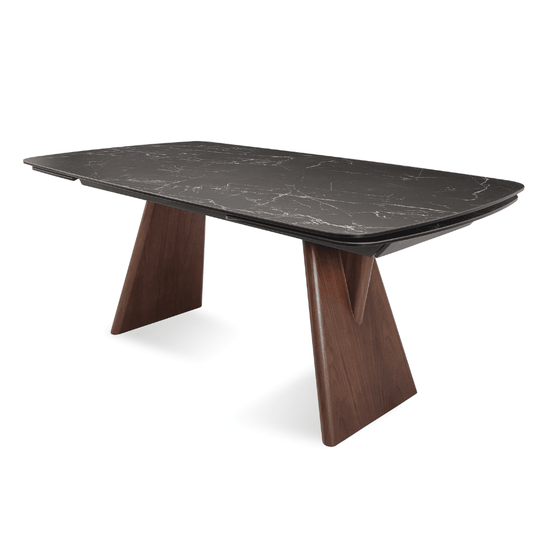
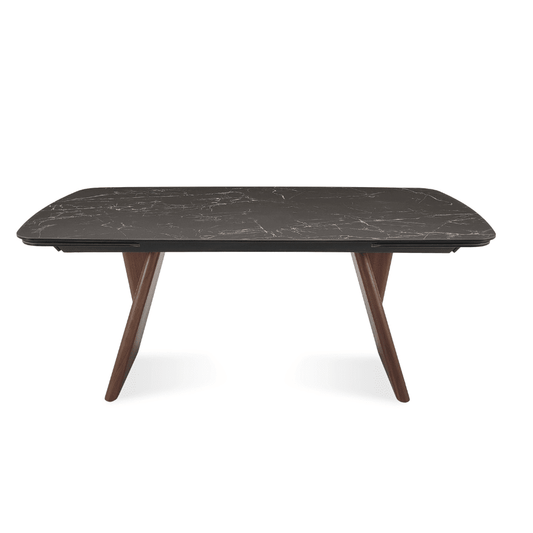
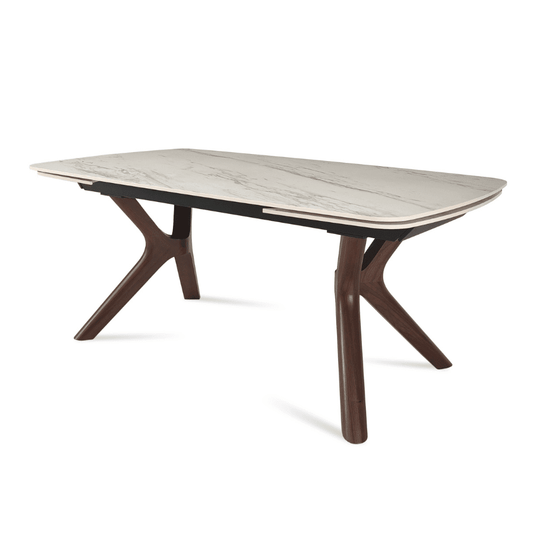
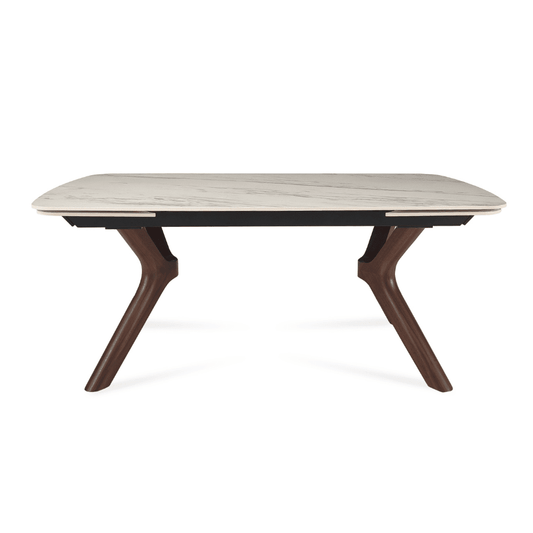
Industrial ceramic-top table with metal frame (140–200 cm): a marble-effect ceramic surface sits atop a powder-coated steel base in matte black; the end extension slides out on precision metal runners; accommodates 4–6 daily, 6–8 extended; the ceramic is heat-resistant and wipes clean, offering both sophistication and functionality for modern living
Farmhouse-style weathered oak table (180–260 cm): generous proportions and a hand-finished grey wash create rustic warmth; two removable center leaves provide flexibility—use one for 8 seats or both for 10–12; sturdy trestle base with integrated storage keeps extra leaves accessible; a perfect choice for those who love hosting large, inviting meals
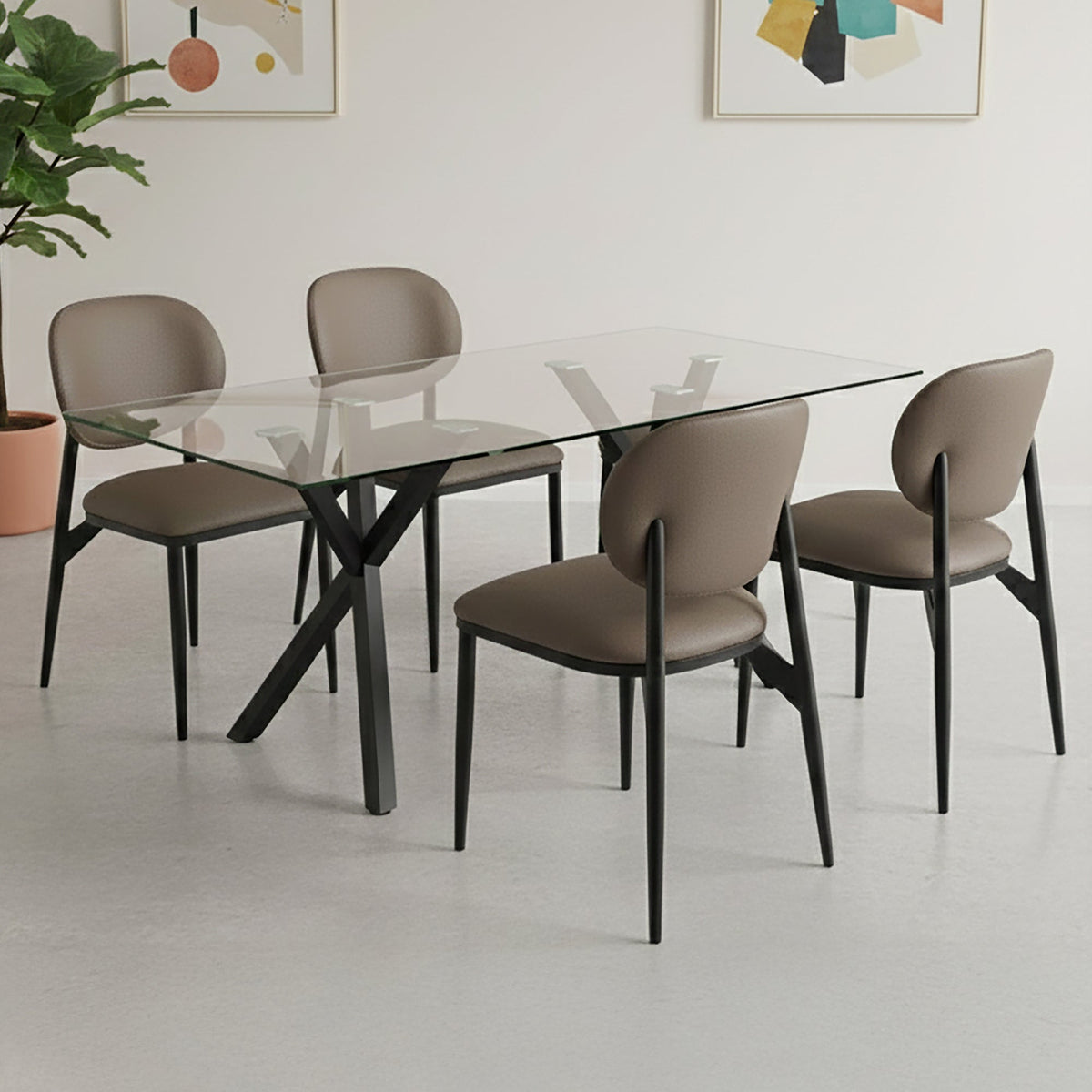
Contemporary tempered glass table with sled base (130–180 cm): smoked glass top paired with brushed stainless steel; butterfly leaf unfolds from the center; seats 4–6 daily, 6–8 extended; the sleek profile and grey tones complement contemporary interiors while maintaining long lasting quality
Trending finishes across this collection include natural oak for warmth, matte black for bold contrast, rich walnut for depth, and soft greige for versatility. Each pairs well with different chair styles and room palettes, allowing you to create exactly the dining space you envision.
Types of Extendable Dining Tables in This Collection
This collection is organized by both shape and extension mechanism to make browsing intuitive. Understanding these categories helps you find the extendable dining room table that fits your room dimensions and lifestyle.
Rectangular extendable tables: the most versatile shape for narrow rooms and along-the-wall placement; lengths typically range from 140 cm to 260 cm when fully extended; compatible with central extension leaves, end extensions, and sliding-leg systems; ideal for maximizing seating in traditional dining rooms
Round-to-oval extendable tables: perfect for sociable gatherings where conversation flows easily; a 120 cm round table can extend to 160 cm oval, adding 2–4 seats; often feature central pedestal bases that eliminate corner legs, so you can add chairs anywhere around the perimeter; telescopic extensions are common in this category
Square tables that grow into rectangles: compact when closed (typically 90–120 cm square), these expand by 30–60 cm on one or both sides; work beautifully in square rooms or eat-in kitchens; lateral extensions slide out smoothly, creating generous rectangular surfaces for dinner parties
Butterfly leaf mechanism: the leaf folds in half like butterfly wings and is stored within the table; pull the two halves apart, unfold the leaf, and lock into place—one person can complete the operation in seconds; no separate storage required, making this mechanism popular for smaller spaces
Removable center leaf system: the tabletop splits along the center, revealing a gap where one or more leaves are placed; leaves may be stored inside the frame or in a nearby cabinet; offers flexibility to choose extension length based on guest count
End extensions: panels slide out from the short ends of the table on metal runners; the main tabletop remains uninterrupted—ideal for ceramic or stone surfaces where grain continuity matters; extend one end only for asymmetric arrangements or both for maximum length
Telescopic extensions with synchronized tracks: often used on oval and round tables with central pedestals; a lever-activated mechanism simultaneously opens the top and brings extension segments into place; provides the smoothest, most premium user experience and works well with heavy materials like ceramic or tempered glass
Practical comparison: round and oval tables encourage eye contact and conversation, making them perfect for intimate dinner parties. Rectangular tables maximize wall space and seating capacity, working well in dedicated dining rooms. Telescopic systems suit frequent entertainers who need quick, effortless extensions—ideal if you host weekly gatherings or spontaneous dinners.
Choosing the Right Size & Shape for Your Dining Space
The right extendable table must fit both its closed and open dimensions into your room. Measure your dining area carefully before browsing—a table that works beautifully when compact might overwhelm the space when fully extended.
Essential clearance rule: leave approximately 75–90 cm of space around the table when fully extended; this allows chairs to be pulled out comfortably and provides circulation room for serving meals
Scenario 1: a 3 × 3.5 m dining area fits a 140–190 cm extendable table comfortably; when closed at 140 cm, you have ample circulation; when extended to 190 cm for extra guests, the room remains functional without feeling cramped
Scenario 2: an open-plan 4 × 5 m space can accommodate a 180–240 cm statement table; at 180 cm daily, the table anchors the room without dominating it; at full extension, you have a grand surface for holiday gatherings while still maintaining walking paths
When to choose rectangular: position along a wall or under a window to maximize floor space; works best in elongated rooms or as a divider between kitchen and living areas
When to choose round or oval: ideal for square rooms, eat-in kitchens, or spaces where you want to enhance conversation; no sharp corners make them safer for homes with young children
When to choose an extendable console: perfect for studio apartments and multifunctional rooms; the table serves as a slim console against the wall, then expands to seat 4–6 when needed
Seating by length: 160 cm seats 4–6 comfortably (2 per side, 1 at each end); 200 cm seats 6–8 (3 per side, 1 at each end); 240 cm seats 8–10 (4 per side, 1 at each end); allow approximately 60 cm per person for comfortable dining
Materials, Finishes & Everyday Durability
Material choice matters particularly for extendable tables because the moving parts must remain stable and aligned over years of use. Heavier materials require more robust mechanisms, while lighter options offer easier operation.
Solid wood (oak, ash, rubberwood): delivers natural warmth, repairability, and a lifespan measured in decades; realistic finish colors include natural oak, honey, walnut, espresso, and brown tones; wood can be sanded and refinished if scratched; pair with quality extension mechanisms to handle the weight; use coasters and trivets to protect surfaces from heat and moisture
Walnut veneer over engineered core: provides the elegance of real wood grain at a more accessible price point; veneer tables are typically lighter than solid wood, making extensions easier; look for quality edging on extension leaves to prevent peeling; wipe with a slightly damp cloth and dry immediately; avoid placing hot dishes directly on the surface
Melamine and laminate tops: excellent scratch resistance and easy cleaning for busy households; budget-friendly without sacrificing style; available in wood-look, solid colors, and textured finishes; avoid abrasive cleaners that can dull the surface over time
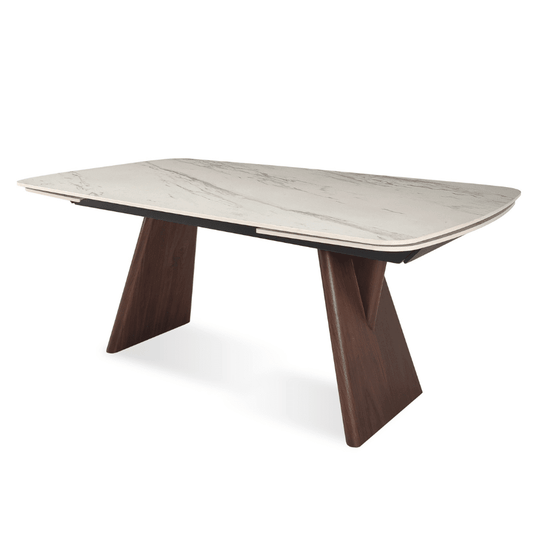
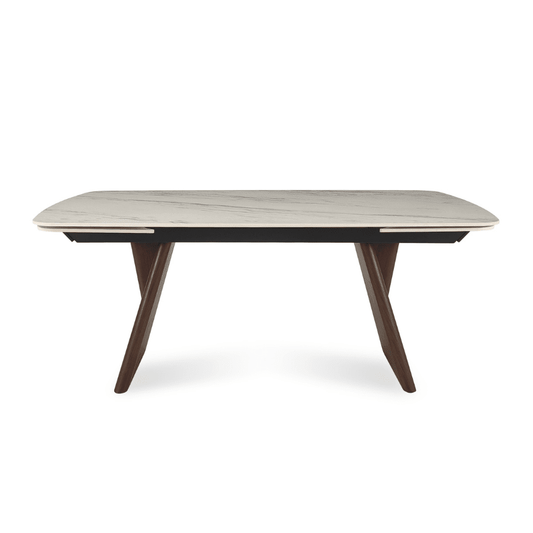
Ceramic and porcelain stoneware: highly heat-resistant, scratch-resistant, and stain-resistant; available in stunning marble-effect, concrete-look, and natural stone finishes; heavier than wood, so telescopic or geared metal slides are essential; wipe clean with a damp microfiber cloth; perfect for households that want sophistication paired with low-maintenance durability
Tempered glass with metal frames: creates a contemporary, airy aesthetic that opens up smaller dining areas; smoked glass and grey tones add depth without visual heaviness; clean with glass cleaner and soft cloths; avoid placing extremely heavy items near unsupported edges
Leg and base constructions: tapered wooden legs suit Scandinavian and mid-century styles; sled bases in metal provide stability and a modern industrial look; central pedestal bases maximize legroom when adding extra chairs at full extension—no corner legs to bump knees against
How Extendable Mechanisms Work (and What Makes Them Last)
Modern extension systems are designed to be smooth, user-friendly, and reliable. Understanding how they work helps you choose the right table for your lifestyle and maintain it properly over the years.
Traditional removable leaves: the tabletop halves separate on sliding rails, and you place one or more leaves into the gap manually; leaves are typically stored in a closet or under the bed; straightforward mechanics with minimal parts to maintain; best when you extend the table only for special occasions rather than daily use
Butterfly leaves: the leaf folds in half and stores inside the table frame; when you pull the tabletop apart, the leaf lifts and unfolds into position; one person can complete the operation in under 30 seconds; no separate storage needed, making this mechanism ideal for convenience and compact living
Synchronized slide rails (geared slides): metal tracks with integrated gears ensure both sides of the table open evenly when you pull just one end; reduces strain on the frame and makes extending heavy solid wood or ceramic tops effortless; this premium engineering is worth seeking out for tables you plan to extend frequently
Telescopic extensions: often paired with round or oval tables on central pedestals; a lever-activated mechanism opens the top and slides extension panels into place in one smooth motion; can extend tables from 160 cm to 240 cm or even 300 cm; requires more complex engineering, so expect these in higher-end pieces
How many people needed: butterfly and geared slides typically require just one person; traditional removable leaves may need two people for heavy solid wood tables; telescopic systems are almost always single-person operation
Where leaves are stored: butterfly leaves and some center leaves store inside the table frame; removable leaves require separate storage—ideally flat in a dry, climate-controlled space to prevent warping
Durability factors: metal runners outperform wooden slides for smoothness and longevity; locking mechanisms (latches or clips) keep the top secure and level during use; quality hinges on butterfly leaves prevent height misalignment between the main surface and the extension
Signs of quality: look for tables with adjustable leveling feet, reinforced joints, and extra center legs or support braces that deploy when the table is fully extended to prevent sagging
Light maintenance practices: check and tighten screws every six months; keep tracks free of crumbs and debris; open and close the table fully a few times a year to keep mechanisms moving smoothly even when you’re not hosting; apply a small amount of wax or furniture lubricant to wooden slides if they begin to stick.
Styling Your Extendable Dining Table for Every Occasion
An extendable dining table can shift effortlessly from a minimal everyday look to a fully dressed setting for weekend brunches, birthdays, and holiday dinners. The key is knowing how to adapt your styling as the table grows.
Everyday styling for compact mode: a simple linen runner down a 160 cm table adds texture without clutter; on a 120 cm surface, a single low centerpiece—a small plant or candle arrangement—creates an inviting focal point without crowding the meal; keep just 4–6 matching chairs around the table for clean lines and easy circulation
Scaling up for extended mode: when the table reaches 220–240 cm, double the runner length or use two shorter runners placed symmetrically; swap a single large centerpiece for two or three smaller arrangements spaced evenly down the length; add place settings in pairs to maintain visual balance
Layering for special occasions: for holiday gatherings, layer a tablecloth under the runner, add cloth napkins at each setting, and introduce candle holders or seasonal elements like greenery; the extended surface provides room for serving dishes down the center alongside individual plates
Chair strategies that work: keep stackable or folding chairs stored in a nearby cabinet or closet for when additional seating is needed; benches slide neatly under the table when not in use, saving space in smaller dining areas; consider reserving upholstered or accent chairs for the table ends, where they make a stronger visual statement
Coordinating with your room: match wood tones with flooring for a cohesive, grounded look; contrast a dark walnut or espresso table against light walls to create bold depth; pair slim, modern table legs with equally light, open-frame chairs to keep the space feeling airy
Small apartment dinner scenario: extend a 140 cm table to 190 cm for 6 guests; add two folding chairs to your usual 4; use a narrow runner, tea lights in simple holders, and linen napkins to elevate the setting without overwhelming the compact space
Large holiday gathering scenario: fully extend a 180 cm table to 260 cm for 10–12 guests; position benches along the long sides and chairs at the heads; run a long linen runner, place three low centerpieces (candles, fresh flowers, or seasonal decor) at intervals, and complete the scene with coordinated napkins and complemented tableware
Care, Maintenance & Long-Term Value
An extendable dining table is an investment piece meant to last for many years of shared meals, celebrations, and everyday moments. With proper care, it becomes a centerpiece that adapts to your changing life.
Wood and veneer care: use placemats and trivets to protect from heat and moisture; wipe spills immediately with a soft, dry cloth; dust regularly with a microfiber cloth; avoid placing near radiators or in direct sunlight to prevent fading and drying; for solid wood, consider applying furniture oil annually to maintain the finish and warmth of the grain
Melamine and laminate care: wipe with a damp cloth and mild soap; avoid abrasive sponges or harsh chemicals that can dull the surface; these materials are forgiving for daily use but benefit from gentle treatment to maintain their finish over years of family meals
Ceramic and glass care: use soft microfiber cloths to avoid scratching; glass cleaner works well on glass tops; ceramic surfaces handle heat and stains beautifully but should be cleaned promptly after messy meals; check manufacturer guidelines for any specific recommendations
Caring for moving parts: operate extension mechanisms gently—avoid forcing or jerking movements; lift rather than drag the table when rearranging furniture to protect legs and internal hardware; check locks, clips, and hinges periodically to ensure the top stays aligned and level
Storing separate leaves: keep removable leaves flat in a dry, climate-controlled space; standing them upright can cause warping over time; clean and dry the surface before storage; consider padded covers to prevent scratches if storing multiple leaves together
Protecting the table when not extended: even in compact mode, use coasters, placemats, and trivets for everyday dining; clean the surface before adding a tablecloth for events; ensure the extension mechanism is fully closed and locked to maintain alignment
The long-term value: a well-chosen, well-maintained extendable dining table adapts to changing homes, growing families, and evolving decorating styles; the table that seats 4 in your first apartment can seat 10 in your forever home; quality craftsmanship and timeless design mean this piece can anchor your dining room for a decade or more
Whether you’re exploring options for a compact city flat or searching for more inspiration for a spacious family dining room, this collection offers extendable dining tables designed for real life. From elegant walnut veneers to sturdy farmhouse oak, from sleek ceramic to inviting natural wood tones, every piece balances form and functionality.
The regular price of quality furniture reflects craftsmanship that endures. This is your last chance to find the perfect extendable table that will accommodate your family today and your guests tomorrow—through quiet Tuesday dinners and grand celebration feasts alike. Explore the complete collection and discover the table that transforms your dining space into the heart of your home.