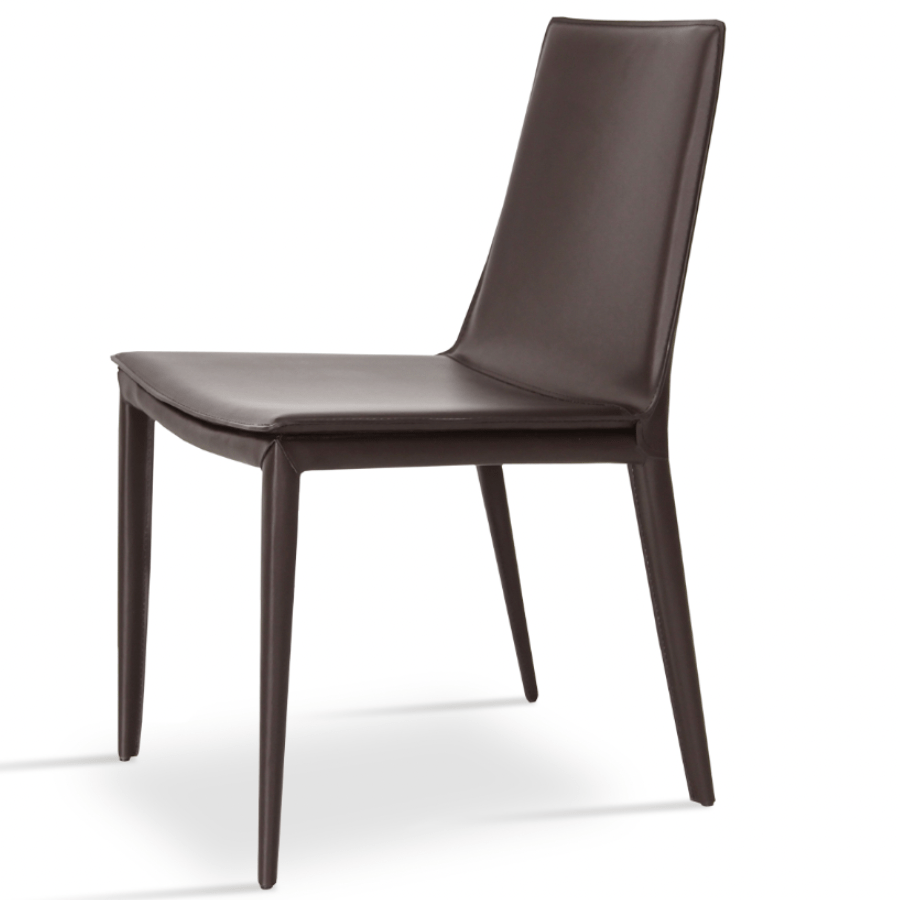
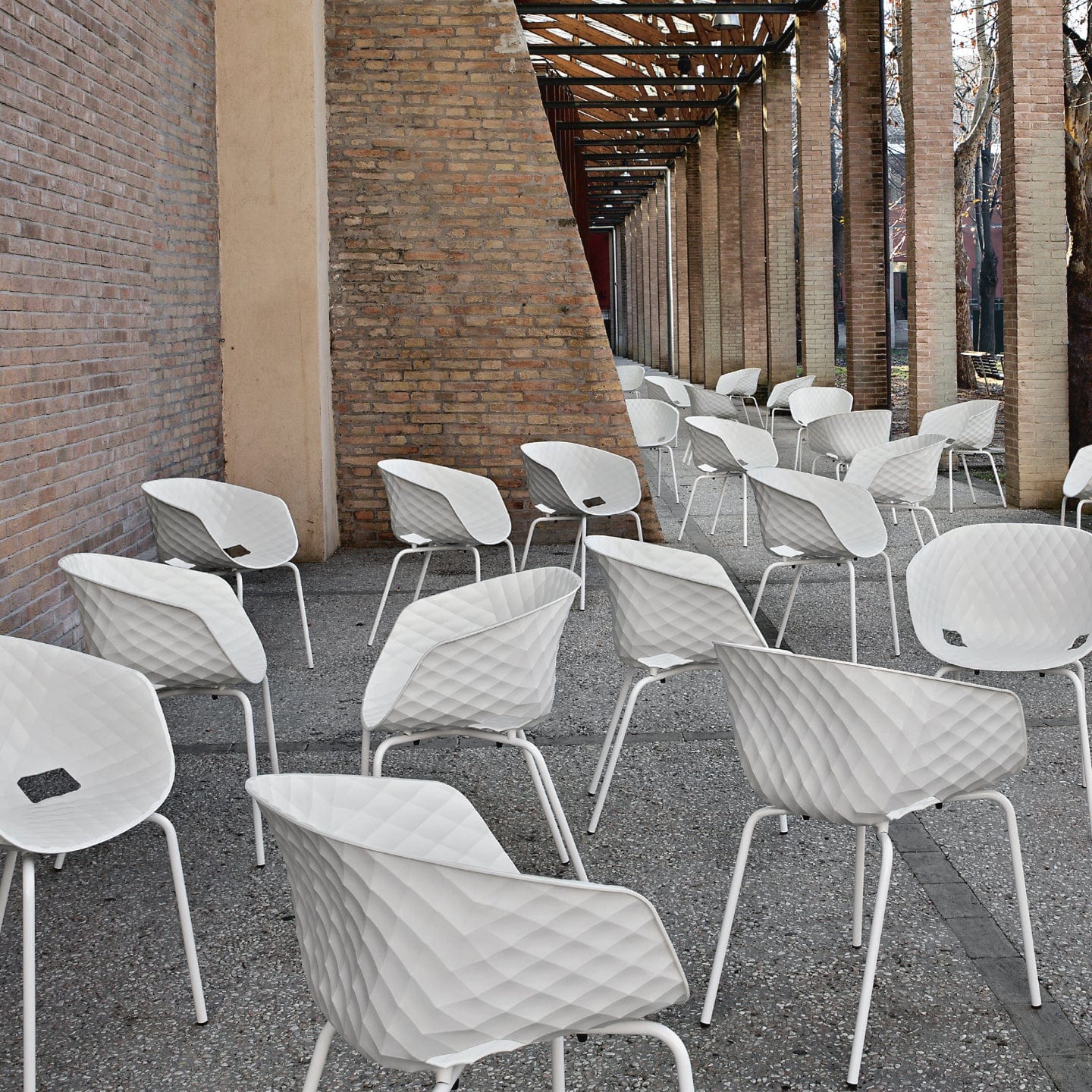
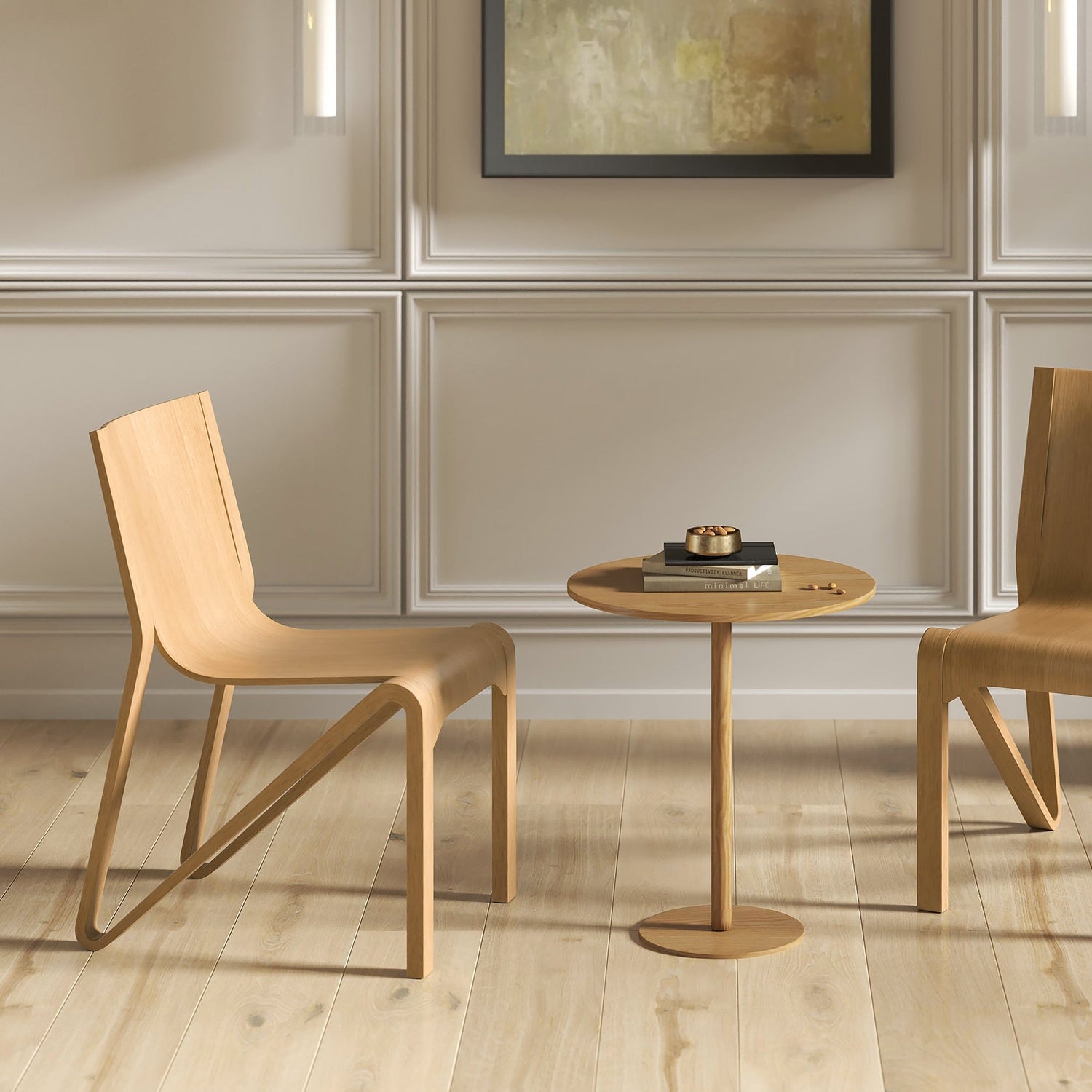
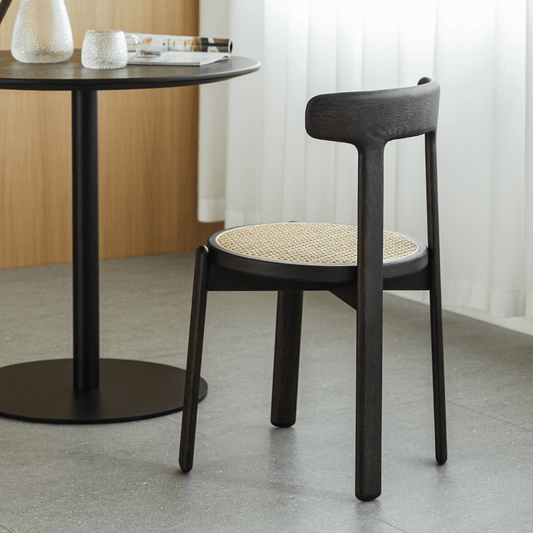
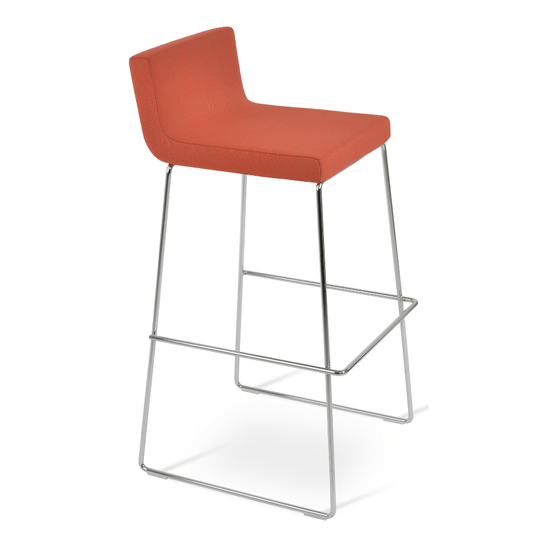
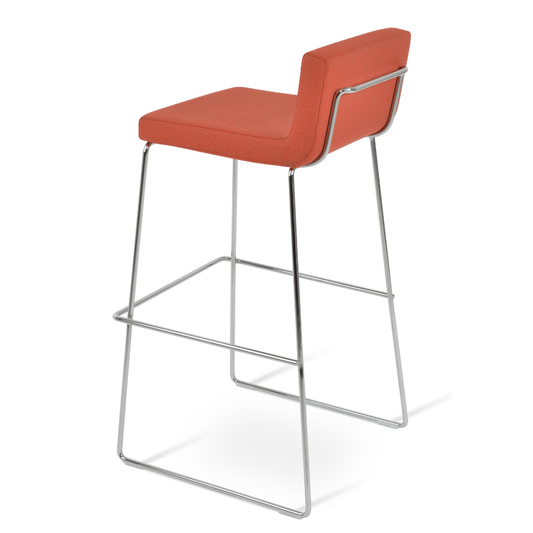
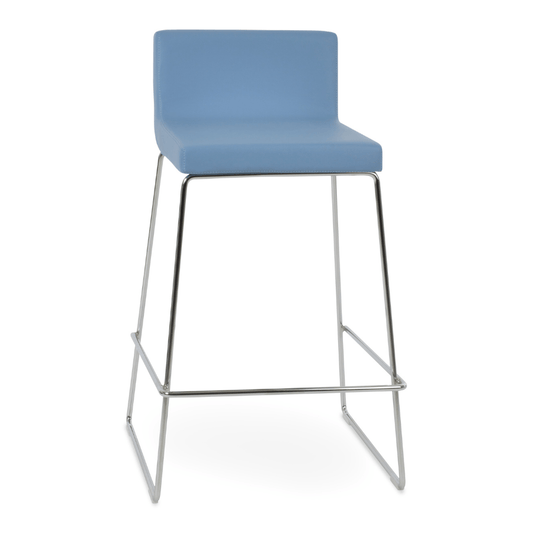
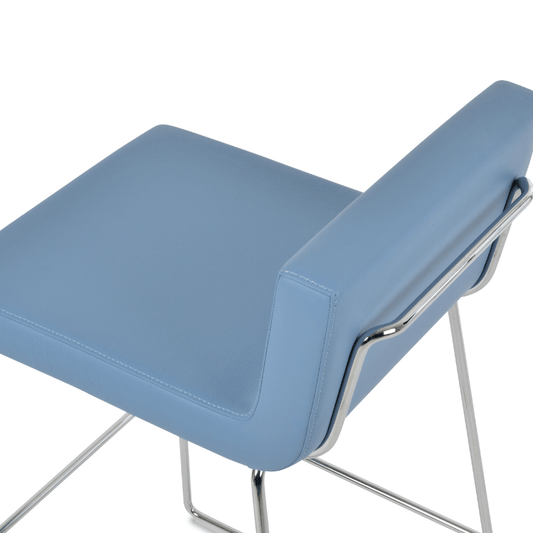
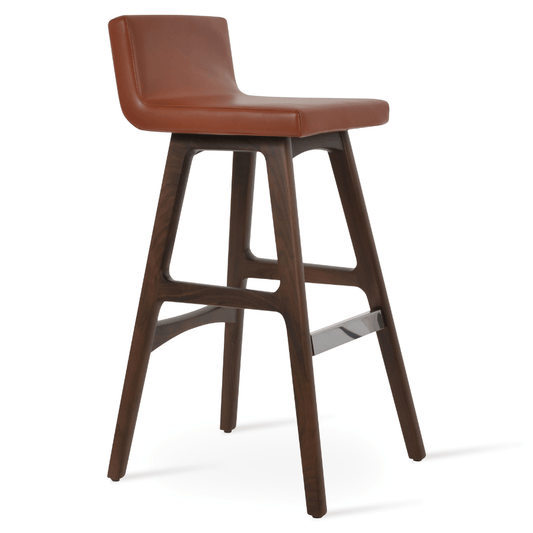
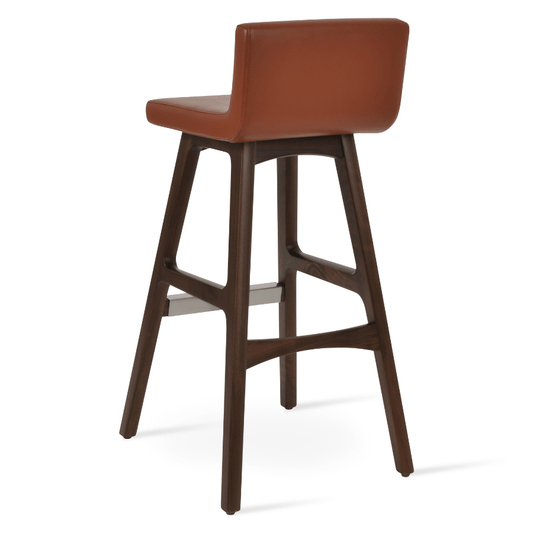
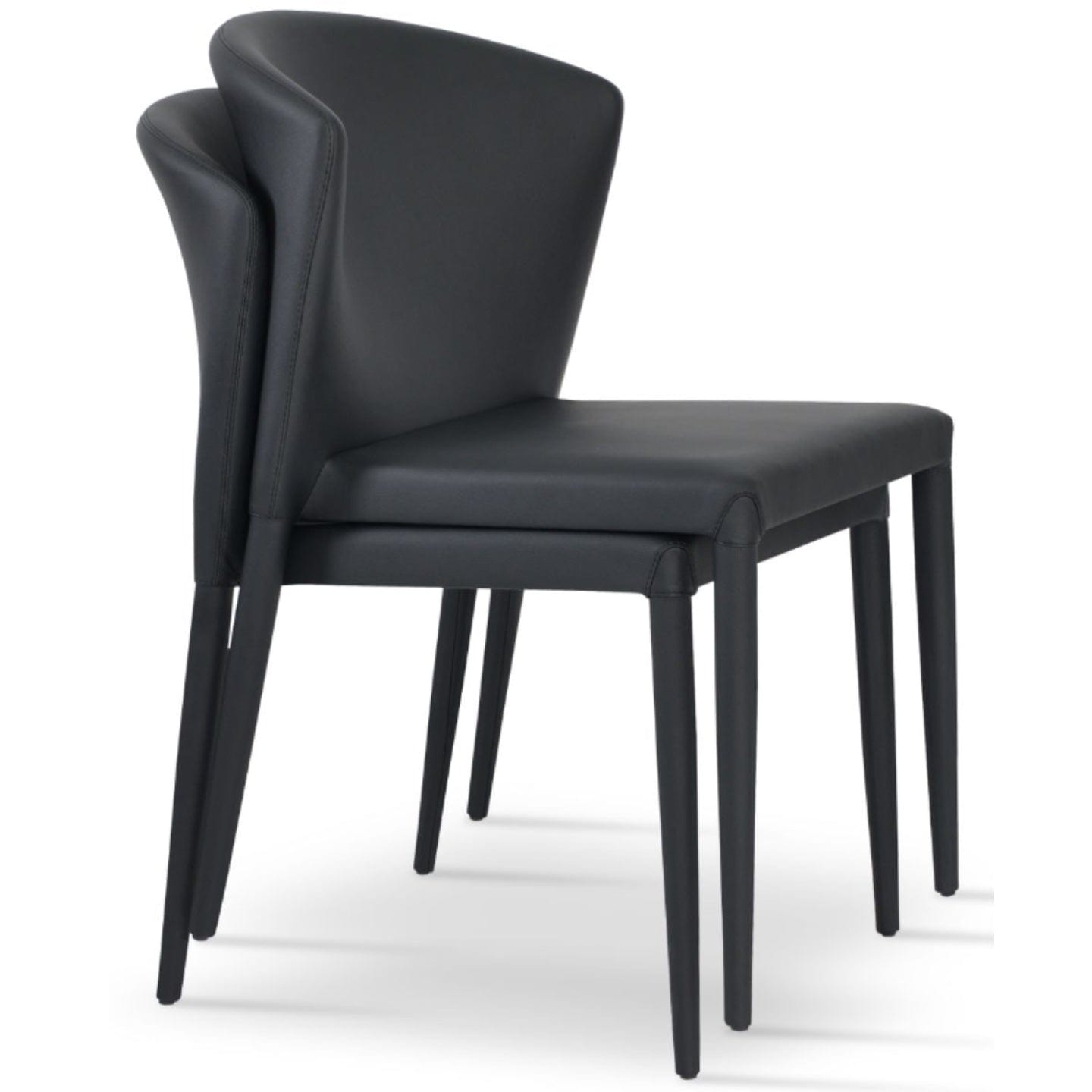
Commercial Bar Stools Canada
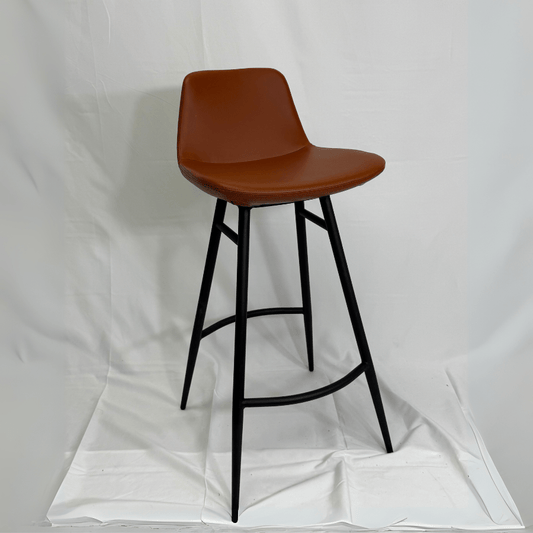
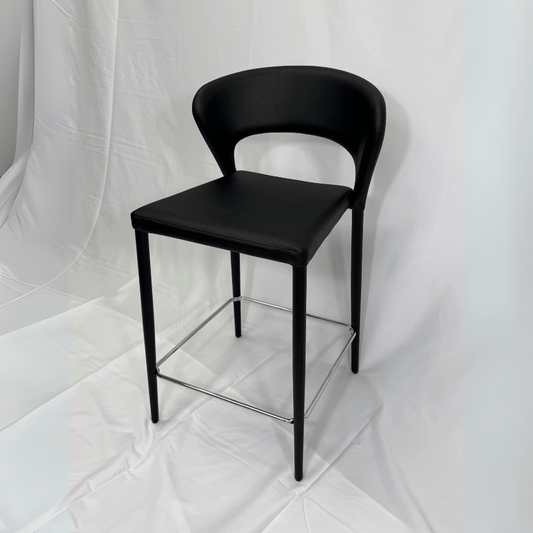
Commercial bar stools in Canada are built for bars, counters, cafés, restaurant bar seating, and other hospitality spaces where daily use, guest comfort, and efficient layout all matter. In busy commercial environments, stools need to do more than match the decor. They need to support real service, hold up under frequent use, and fit the height and flow of the space. Whether you are furnishing a restaurant bar, café counter, pub, lounge, or mixed-use hospitality venue, the right bar stools help shape both the customer experience and the function of the room.
Commercial Bar Stools for Hospitality Spaces
Commercial bar stools are a core part of hospitality furniture because they help maximize seating while maintaining a more social and flexible layout. In bars and cafés, bar stools can increase capacity without overcrowding the space. In restaurant bar seating areas, they help create a comfortable, efficient setup for drinks, casual dining, and shorter-stay guests. The best commercial seating balances durability, comfort, cleanability, and a look that fits the venue.
This page should stay centered on hospitality use. The current draft brings in broader home-style ideas such as kitchen islands and general home decor, which weakens the page’s commercial focus . This collection should be about bar stools for real service environments first.
Counter Height Stools vs Bar Height Stools
One of the most important decisions is seat height. Counter height stools are usually used for lower commercial counters and some café seating areas, while bar height stools are made for taller bars, high-top tables, and restaurant bar seating. Getting the height right matters because it affects comfort, posture, and how well guests can use the surface.
For many buyers, this is the first practical filter. If the stool height is wrong, even a stylish stool will not perform well in service. That is why commercial bar stools should be selected not just by appearance, but by seat height, spacing, and the way the venue actually operates.
What Makes a Bar Stool Commercial Grade
Commercial-grade bar stools are designed for repeated daily use in high-traffic settings. That usually means durable frames, reinforced joints, stable bases, and finishes that can handle frequent cleaning. In hospitality spaces, stools are moved often, sat on heavily, and cleaned regularly, so construction matters as much as style.
The current draft touches on strong ideas like sturdy construction, stable bases, easy-clean surfaces, and high quality materials . Those are exactly the right themes to keep, but they should be framed around hospitality performance rather than broad buying advice.
Restaurant Bar Stools, Pub Stools, and Cafe Bar Stools
Different commercial venues use bar stools in different ways. Restaurant bar stools often need to balance style with long-term comfort, especially in spaces where guests stay for meals or drinks. Pub stools may need a stronger, more durable look and construction for heavier use and higher turnover. Cafe bar stools often work best when they keep the space light, practical, and easy to maintain while still supporting the overall atmosphere of the café.
This is where the page can naturally support terms like restaurant bar stools, pub stools, and cafe bar stools without splitting into separate pages too early. The important thing is that all of these still sit inside the same core intent: commercial bar stools for hospitality use.
Materials, Comfort, and Easy-Clean Performance
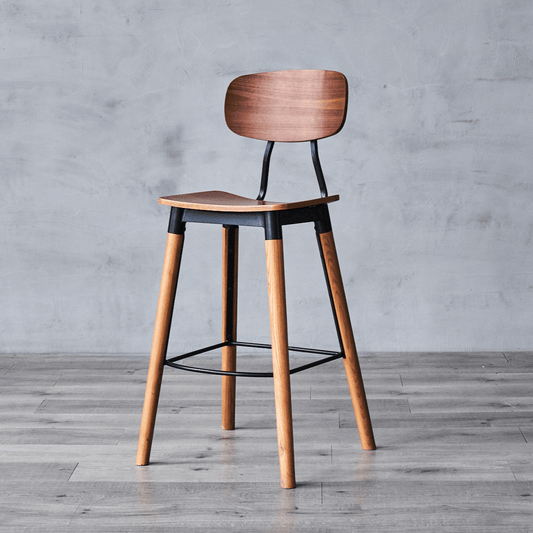
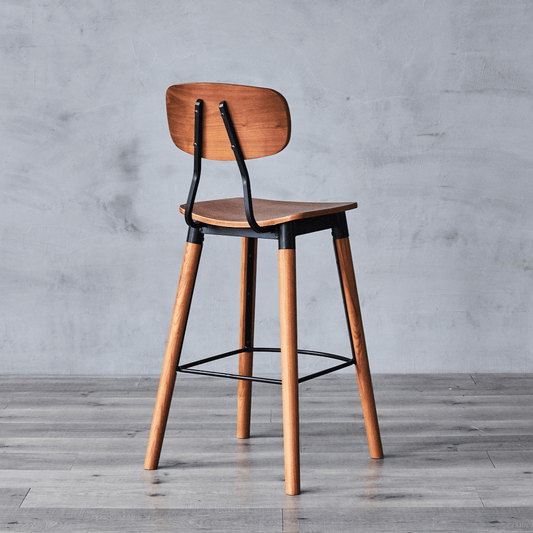
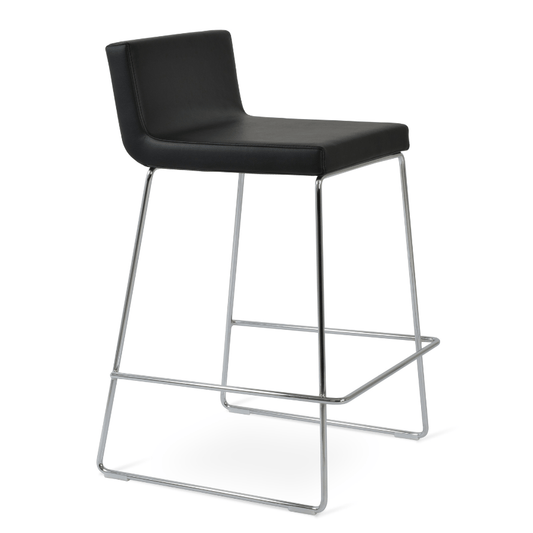
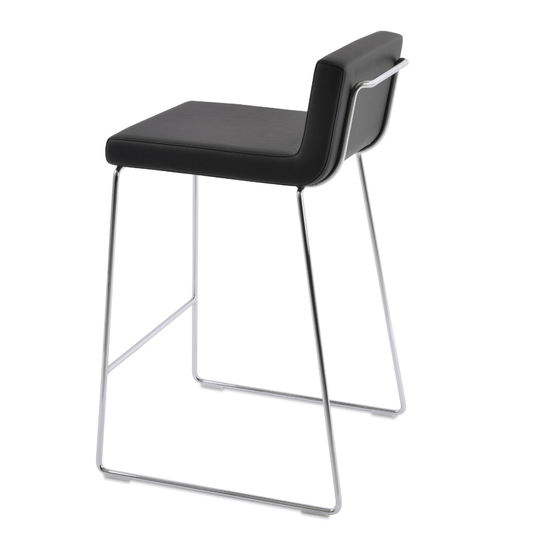
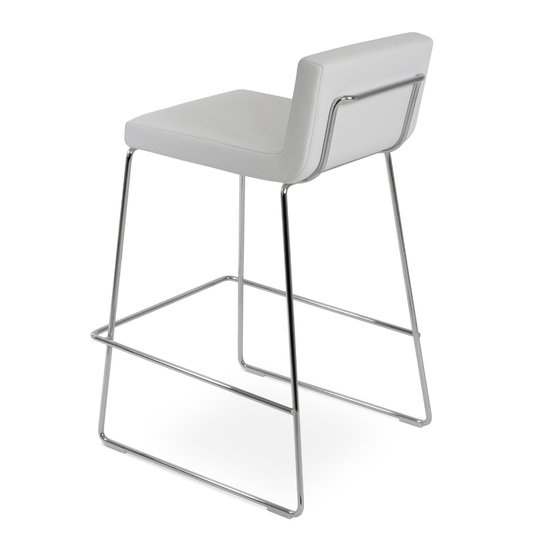
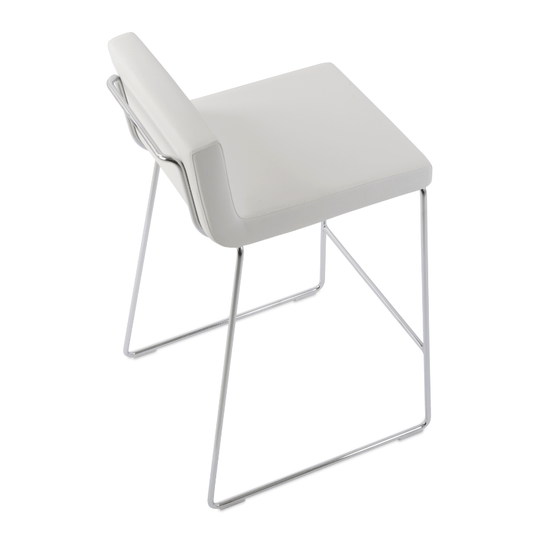
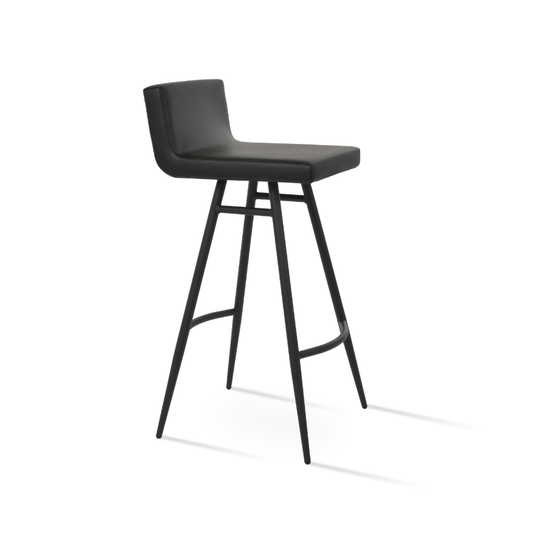
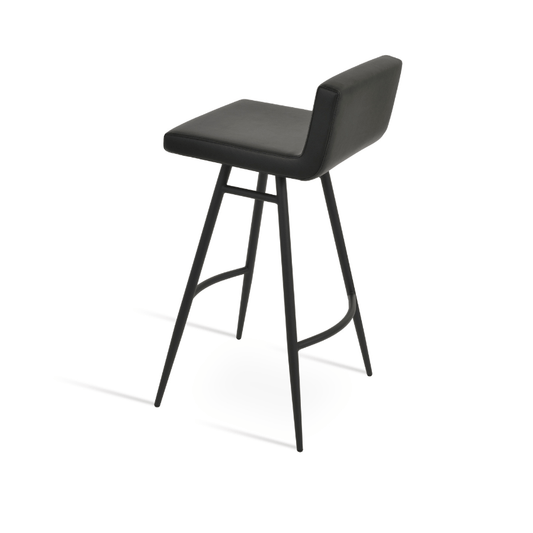
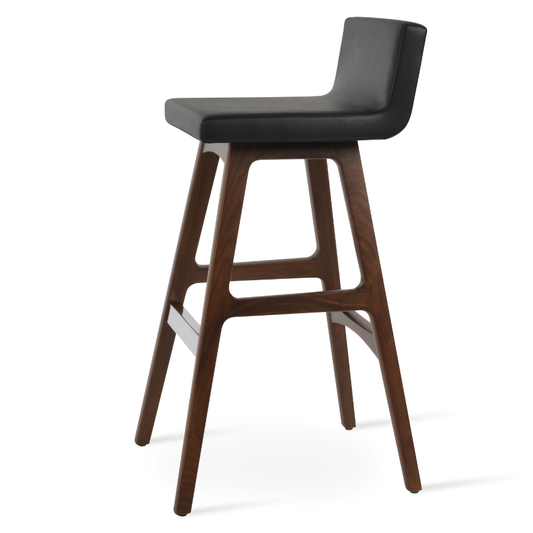
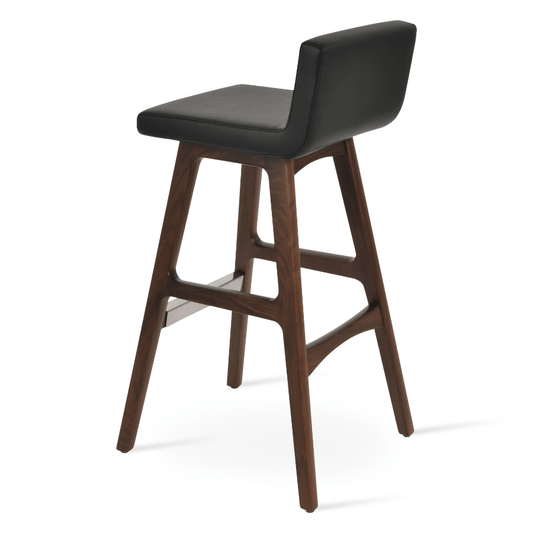
Bar stools are available in a range of materials, and the right choice depends on the venue. Metal bar stools are a popular option in commercial spaces because they offer durability, stability, and a clean modern look. Wood stools can bring warmth and a more classic or rustic character to restaurant and bar interiors. Plastic and mixed-material stools can also work well when easy maintenance and flexibility are priorities.
Comfort features matter too. Padded seats, supportive backrests, footrests, and ergonomic shaping can all improve the guest experience, especially in venues where people stay seated for longer periods. At the same time, easy-clean surfaces remain critical in bars, cafés, and restaurants where turnover and hygiene standards matter every day.
Layout, Spacing, and Service Flow
A good bar stool should fit the room, not just the counter. Spacing affects how comfortable the seating feels and how easily guests and staff can move through the space. In commercial environments, stools that are too wide, too bulky, or too close together can slow service and make the venue feel crowded.
That is why layout matters alongside product choice. For some businesses, maximizing seating capacity is the goal. For others, the priority is maintaining a cleaner, more spacious guest experience. The best commercial bar stools support both the customer side and the service side of the venue.
Choosing the Right Commercial Bar Stools
When comparing options, most buyers should start with five questions. What seat height does the space need? How much guest traffic will the stools handle? Which materials best support the look and cleaning needs of the venue? Does the stool need a back for added comfort, or is a simpler profile more practical? How much spacing is available around the bar or counter?
These questions lead to better buying decisions than style alone. In commercial settings, a stool that performs well over time is usually the better investment than one chosen only for appearance.
Shop Commercial Bar Stools in Canada
This collection brings together commercial bar stools in Canada for bars, counters, cafés, restaurant bar seating, and other hospitality spaces that need durable, easy-to-maintain seating built for daily use. You can compare restaurant bar stools, bar furniture Canada, commercial seating, pub stools, cafe bar stools, and counter height stools to find the right fit for your venue. You can also explore Restaurant Furniture Canada, Restaurant Tables and Chairs, Cafe Chairs, Cafe Table and Chairs, and Commercial Patio Furniture to compare bar seating with the broader commercial furniture branch.
Most Asked Questions
1. What height should commercial bar stools be?
Commercial bar stools should match the height of the surface they are paired with. Counter height stools are usually used for lower counters, while bar height stools are designed for taller bars and high-top tables. In hospitality spaces, choosing the right stool height is important for guest comfort, posture, and practical daily use.
2. What makes a bar stool commercial grade?
A commercial-grade bar stool is built for frequent use in bars, cafés, restaurants, and other high-traffic hospitality spaces. It usually has a durable frame, reinforced joints, a stable base, and finishes designed for regular cleaning. Commercial bar stools are made to handle daily service better than residential seating.
3. Are commercial bar stools good for restaurants, cafés, and pubs?
Yes. Commercial bar stools Canada are designed for restaurant bar seating, cafe bar stools, pub stools, and other hospitality environments where durability, spacing, and easy maintenance matter. The best stool depends on the venue type, service style, traffic level, and whether guests are seated for quick turnover or longer stays.
4. What materials are best for commercial bar stools?
The best material depends on the space and how the stools will be used. Metal bar stools are popular for durability and a cleaner modern look, while wood stools can add warmth and a more classic style. In busy hospitality settings, buyers often prioritize high quality materials, easy-clean surfaces, and stable construction over appearance alone.
5. Should I choose bar stools with backs or backless stools for a commercial space?
Bar stools with backs are usually better when guest comfort and longer sitting times are the priority, especially in restaurant bar seating and more relaxed hospitality venues. Backless stools can work well when space efficiency, faster turnover, and a lighter layout matter more. The right choice depends on your seating density, service flow, and the overall experience you want to create.